


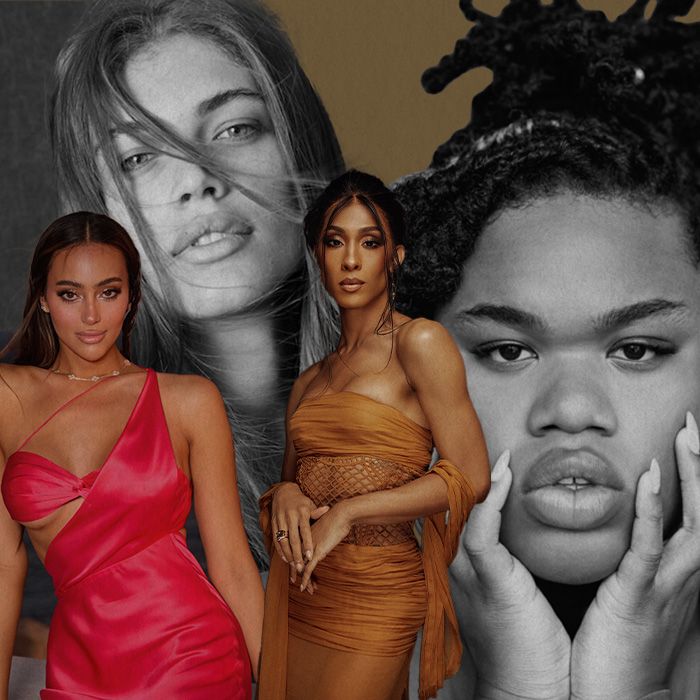
Beauty has never been superficial, but for trans and nonbinary individuals, it’s especially significant in providing a means for connection, euphoria, and survival. Beauty, you see, offers a sense of security—not only to physically exist in a world facing increased anti-trans violence, especially against people of color, and an influx of anti-trans legislation, but also to comfortably grow into your own gender identity at your own pace.
Jari Jones puts it perfectly. Applying makeup allows you to create your own baseline, the actress, model, and activist tells me. “Those who think [beauty] is superficial probably have the privilege of getting to their baseline quicker,” she says. “We’re living in a world where trans people are being persecuted everywhere we go. We’re being harmed. If putting on makeup gives me safety—whether that’s safety to pass or just to feel strong, encouraged, and confident to go out into the world—then that’s what I’m going to do. And no one can fault me for that.” Beauty is power; beauty is joy—ahead, four trans women discuss the gender-affirming products, routines, and memories that have helped them discover their own.
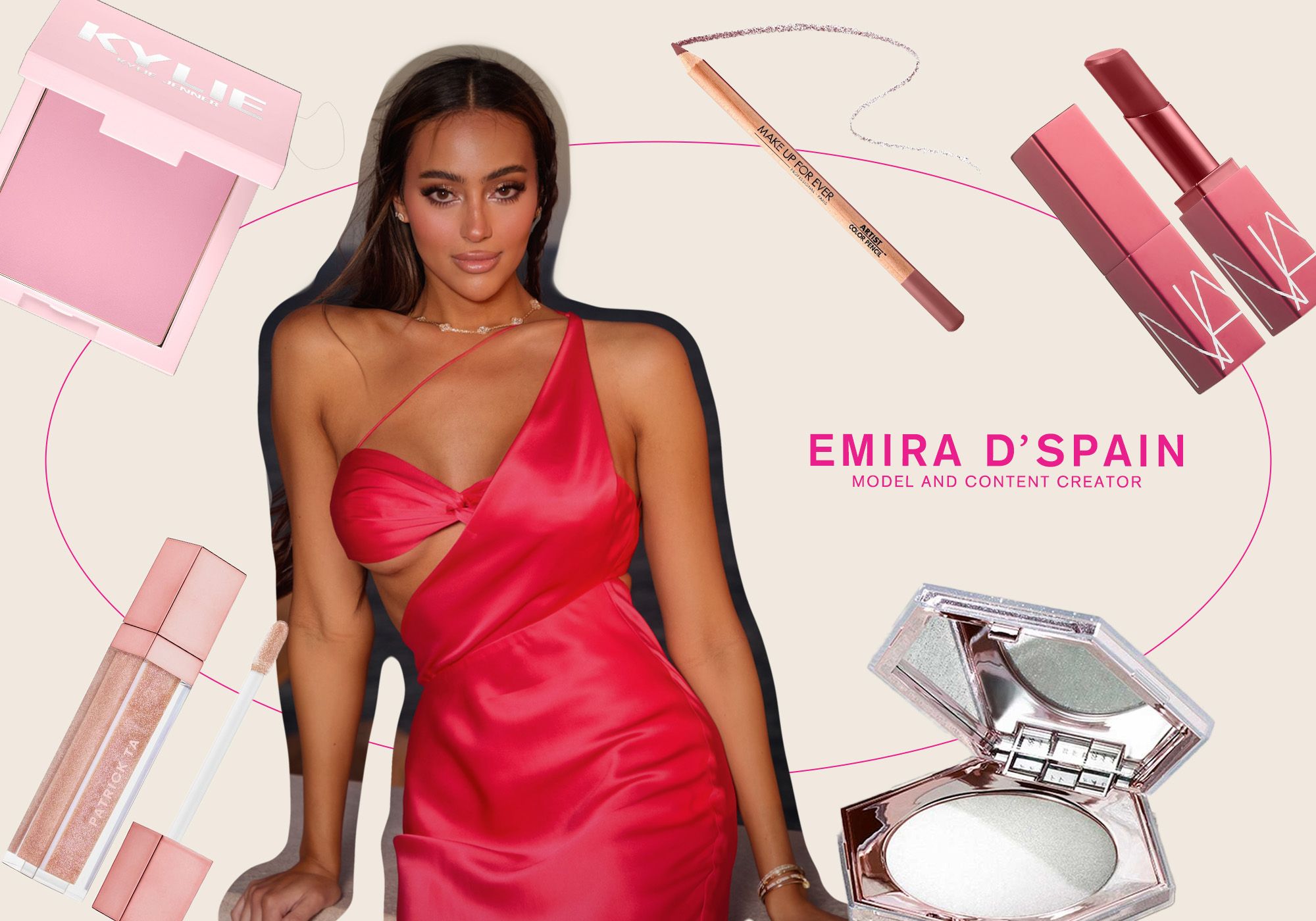
(Image credit: Emira D’Spain; Art by Audrey Hedlund)
The first beauty product Emira D’Spain ever used was a purple lipstick. She spotted it nestled in her mother’s vanity, and even at 8 years old, she knew it was fabulous. “I’d put the lipstick on, and I’d paint my nails with whatever she had in there,” she recounts. “I would wear it around the house, and my parents were like, ‘Okay, go off, diva.'”
Later, said diva would become the first Black trans model for Victoria’s Secret, the beauty director for Paper magazine, and TikTok’s resident GRWM mogul, sharing makeup tutorials with an audience of over 1.3 million. Yet even before realizing these milestones, D’Spain knew the value, the comfortable bliss, of an artfully crafted look.
“Beauty in general has always been such a vessel for me to explore my gender identity,” she says. In hindsight, that purple lipstick certainly felt affirming, but she highlights her time in musical theater as her first official entry into the beauty sphere, where the makeup felt practically sacred. “I kept my stage makeup on for so much longer, and everyone would be like, ‘Just wash it off.’ I’m like, ‘No, it looks so good. I want to keep it on,'” she remembers. “My little outlet to explore my gender was through the makeup that I put on.”
In college, when D’Spain officially started transitioning, a set of false lashes became her safety net. “When I started adding lashes, it was around the same time that I started medically transitioning, too. So it was all tied together,” she adds. “The first day I put those lashes on… They looked awful, I’m sure, but I felt like the baddest bitch on the planet. That day, I felt so confident.”
As she grew more confident in her gender identity, she no longer needed a fluttery lash to feel like herself (although, she still adores Kiss’s So Wispy Multipack), but she acknowledges the comfort they provided during the vulnerable stages of her transition. “I was using makeup almost as a shield as I was growing into myself,” she explains. “There was a period of time during my transition where I did not feel like myself if I didn’t have a lot of makeup on; I felt like I wasn’t able to express my femininity without using makeup. It was either glam Emira or not Emira at all.”
Now? Makeup brings so much joy to her daily routine (her playful TikTok tutorials are proof of that), but she calls it more of a “stepping stone” to become the woman she is today. Be it a completely bare face, a soft cat eye with rosy cheeks (her signature glam), or a full-on beat, falsies and all, D’Spain feels affirmed no matter how she may present to the world. It’s Emira who shows up.
Browse D’Spain’s Beauty Favorites
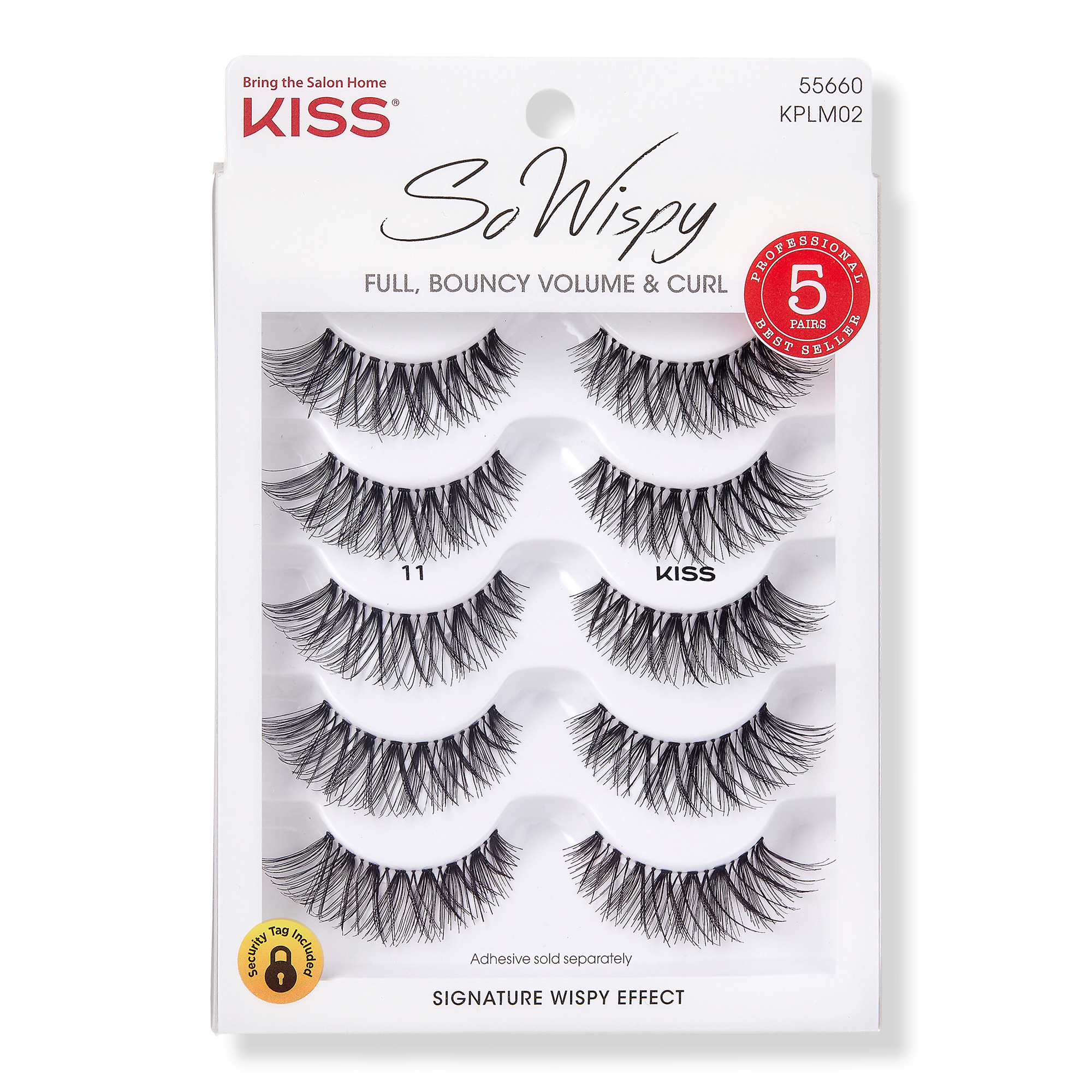
Kiss
So Wispy 5 Pair Lashes #11 Multipack
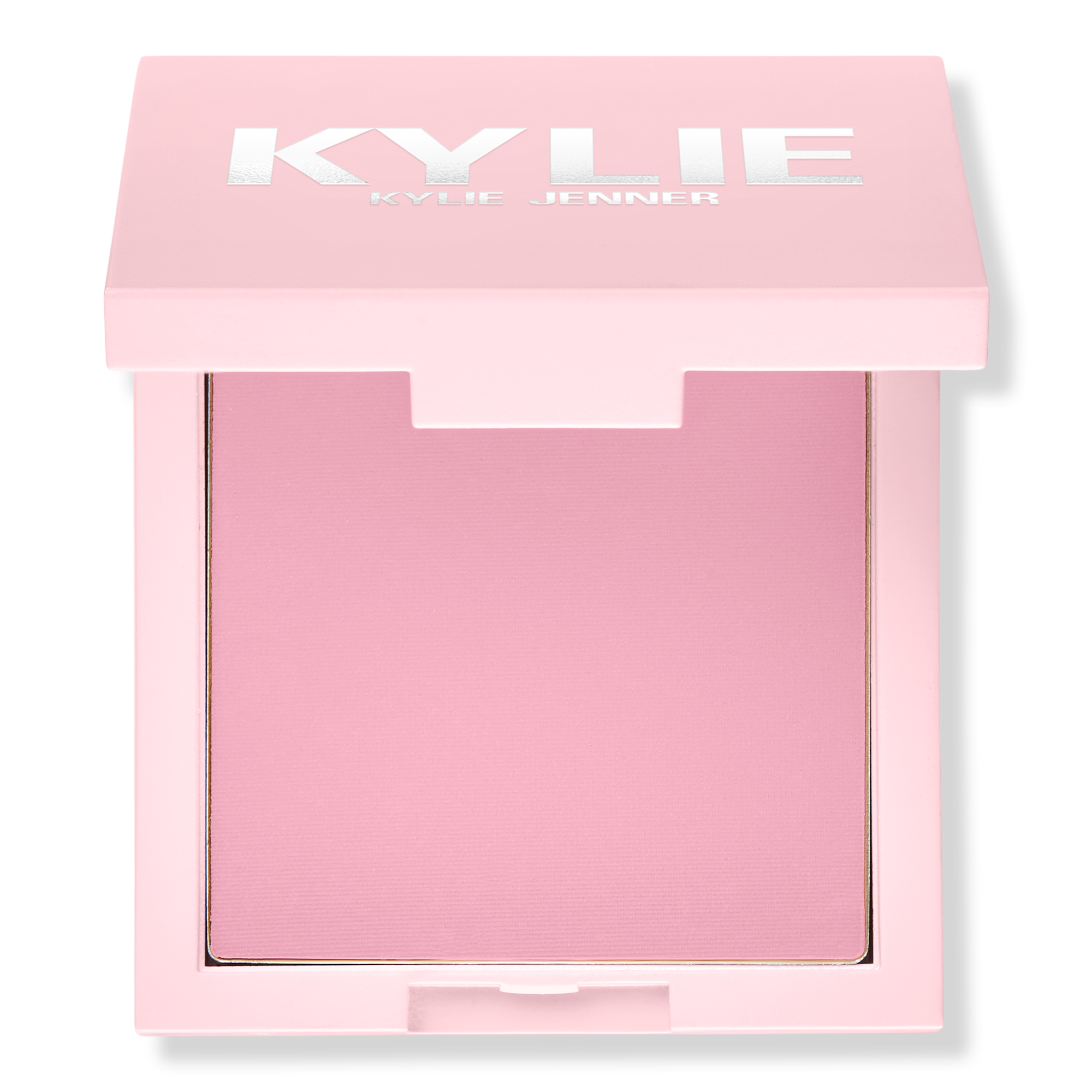
Kylie Cosmetics
Pressed Powder Blush
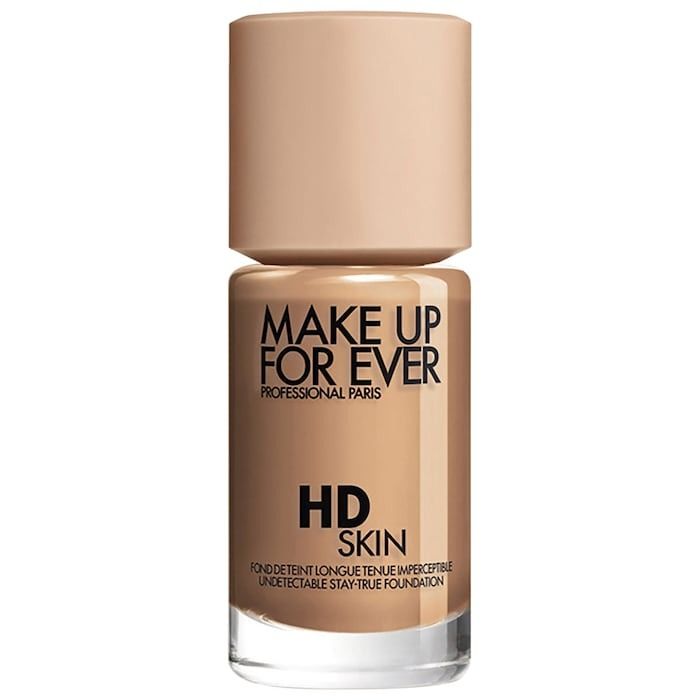
Make Up For Ever
HD Skin Undetectable Longwear Foundation
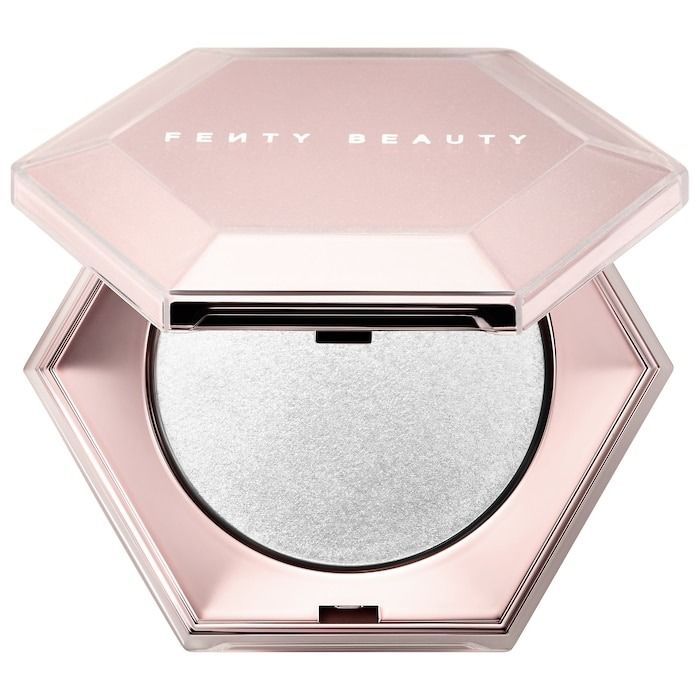
Fenty Beauty
Diamond Bomb All-Over Diamond Veil
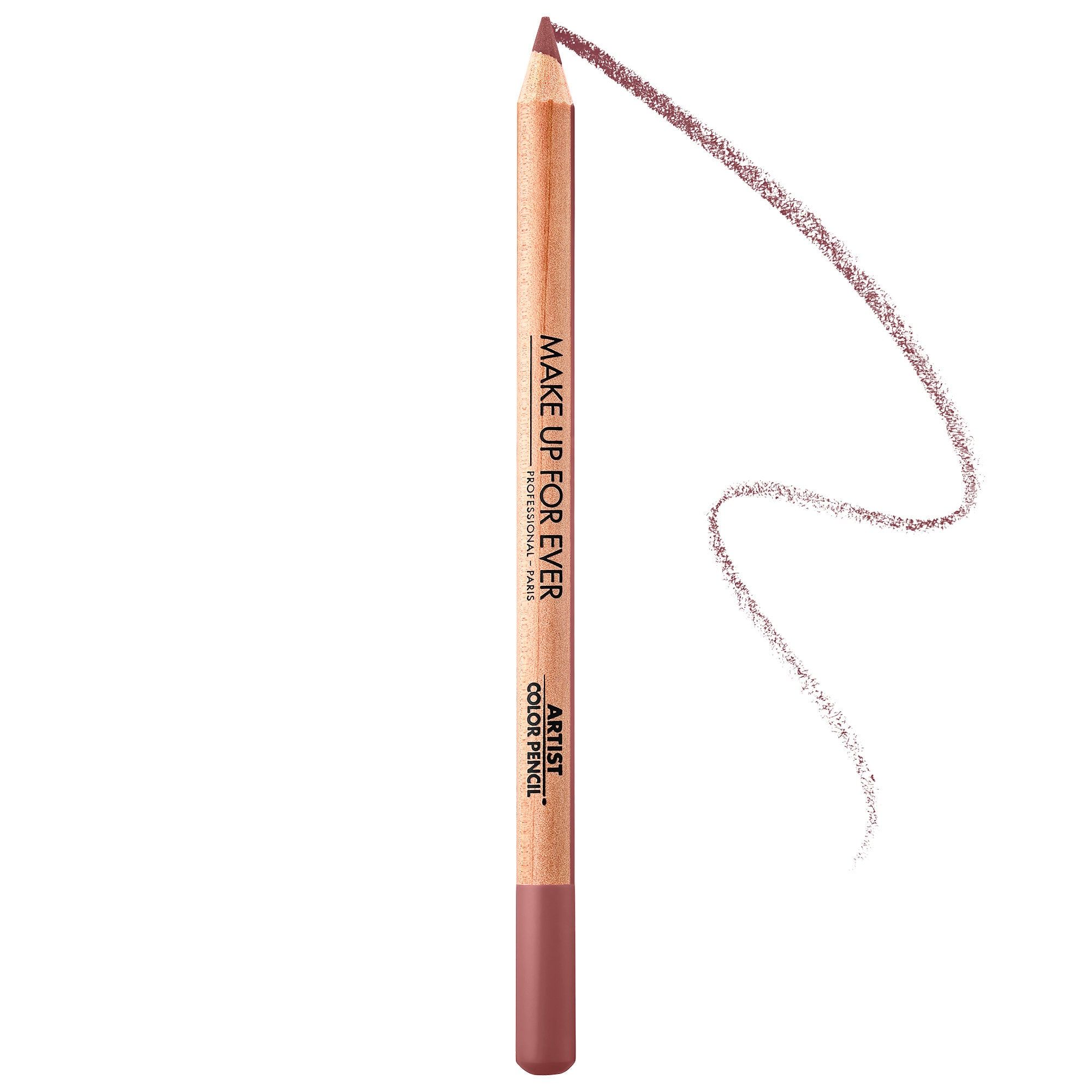
Make Up For Ever
Artist Color Pencil Longwear Lip Liner
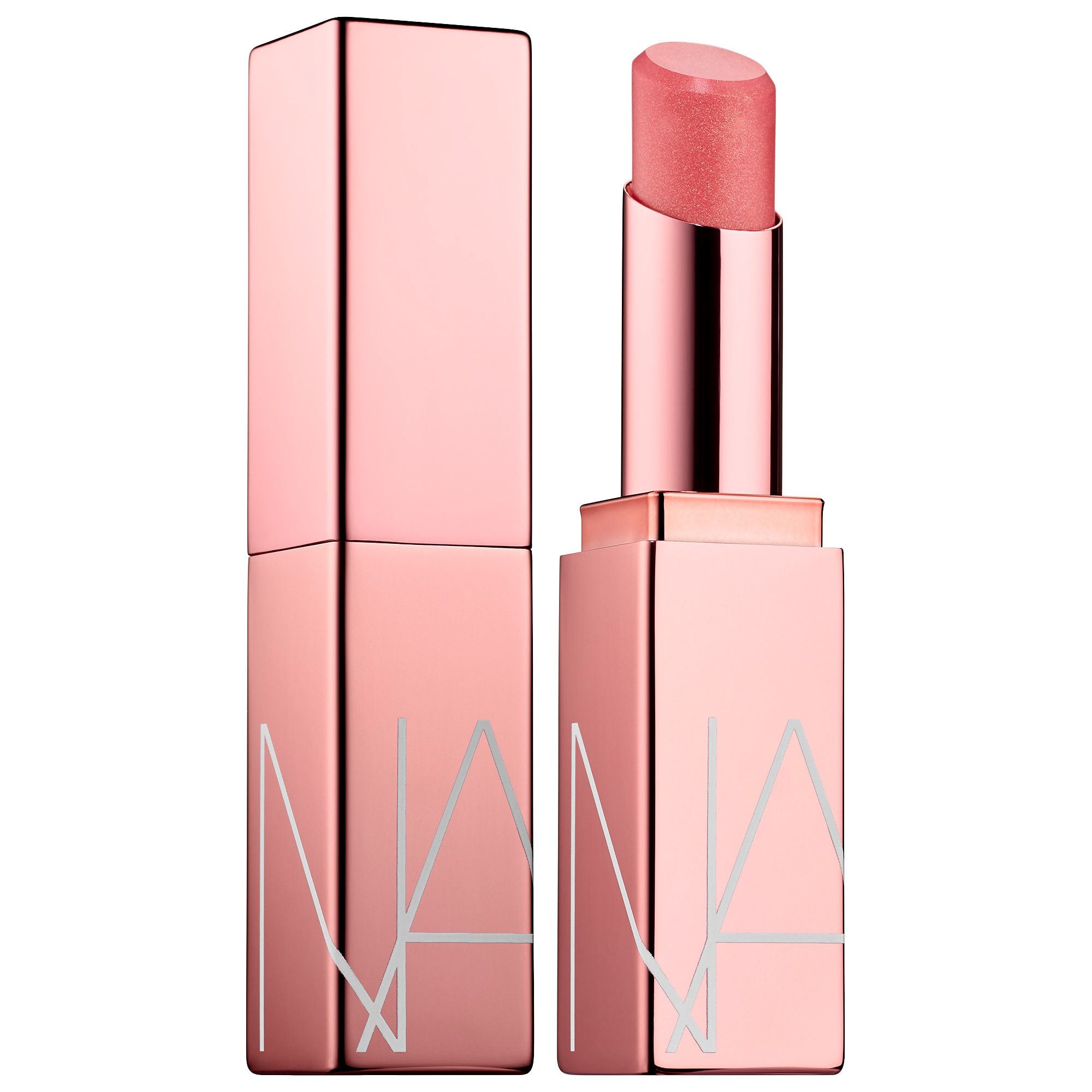
Nars
Afterglow Tinted Lip Balm
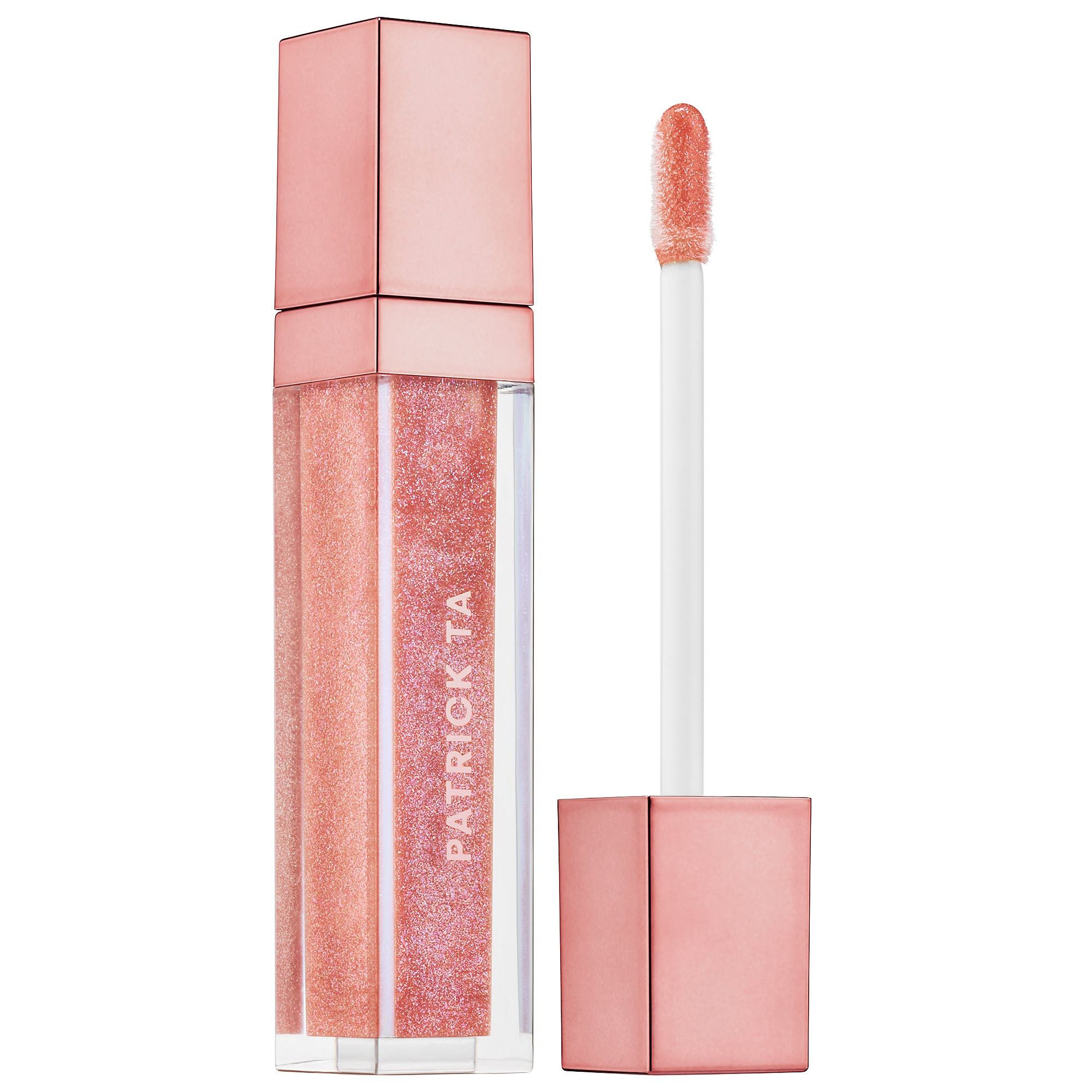
Patrick Ta
Major Glow Lip Shine
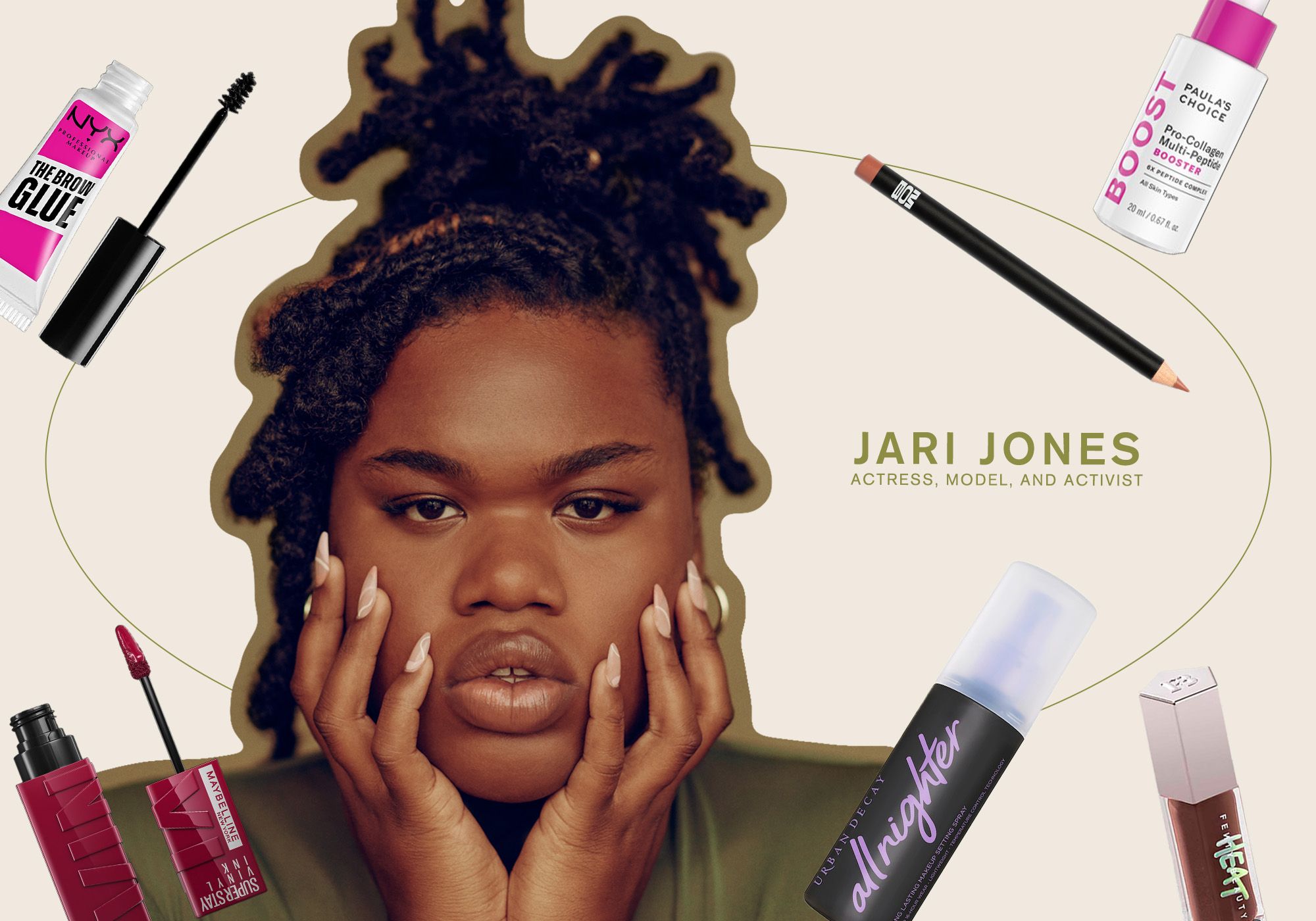
(Image credit: Jari Jones; Art by Audrey Hedlund)
For Jones, it’s skincare that’s deeply tied to her gender euphoria. “I wasn’t really confident enough to start wearing makeup right from the jump… but skincare I felt like I could figure out,” she says. She remembers gravitating toward multiple Paula’s Choice moisturizers and skin-repairing serums (“All the emollients,” she jokes) that would help her skin reflect light. “Getting [compliments] from people like, ‘Oh my God, your skin looks so good. It looks so supple,’ really started something in me that felt affirming—people saw what I was trying to move toward. That really was the catalyst.”
Fast-forward a few years, and lip products became the main focus. She credits her grandfather for the inspiration—a model in the ’70s and ’80s, he was always around makeup artists and even planned to launch his own line of lipsticks. Lip color also happens to be a beauty category with a relatively small learning curve (much more low-lift than a flick of liquid liner, anyway); if Jones ever smudged the outline of her favorite Maybelline Super Stay Vinyl Ink Liquid Lipcolor, she could wipe it right off and start anew without having to redo her entire beat. A low-stakes approach with high-impact rewards was the name of the game.
“What’s funny [is that] growing up, those were the products I was most scared of,” she reveals. “I was a child who grew up with very Black features. I have big lips, and people always picked on those things. Now, to have those be some of my favorite things to feature through lipstick, lip liner, and gloss… it’s really beautiful [to] reaffirm myself and take that back.” What’s also beautiful is the fact that she would later lead the Maybelline Super Stay campaign, sporting the very same liquid lipstick she loved so many years ago.
A juicy lip is certainly her signature. (Special shout-out to Mob Beauty’s Smooth Precision Waterproof Lip Liner in M1990 and Fenty’s Gloss Bomb in Hot Chocolit Heat, her go-to lip combo.) But from there, Jones gravitates toward much subtler makeup looks: a lightweight skin tint, a flexible brow gel, and a no-fuss setting spray. Skincare, however, is where she literally shines.
“Happy skin, for me, means I stay affirmed; I feel feminine,” she shares. She remains a devout Paula’s Choice stan (“I probably have every last booster Paula has made within the last couple of years,” she laughs), and from the way she audibly shuffles through what must be a robust collection of bottles, I can tell that Jones is a true beauty loyalist—the brands she held dear during her gender discovery remain her routine stalwarts today. Still, she stays curious, always with an open heart. “I really am proud of that younger me for jumping into some kind of affirming care for themselves,” she notes. “I would tell her to keep going… Don’t be afraid to try.”
Browse Jones’s Beauty Favorites
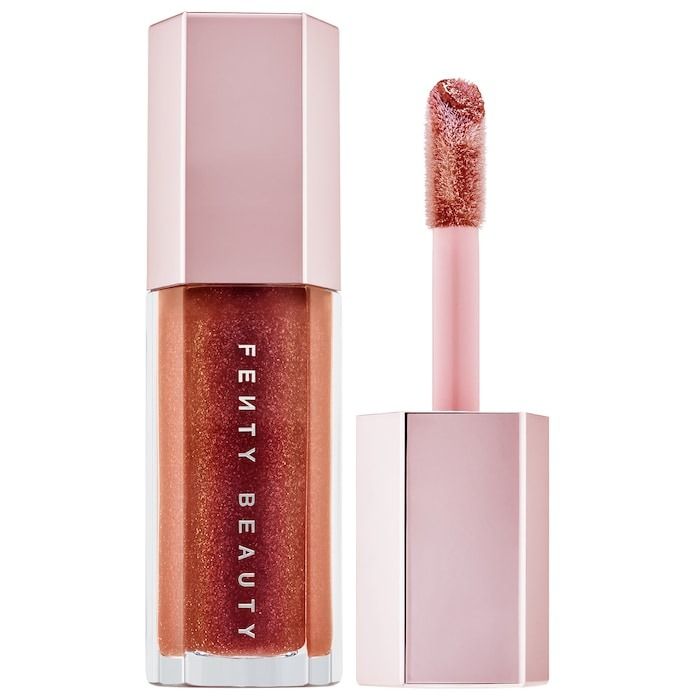
Fenty Beauty
Gloss Bomb Heat Universal Lip Luminizer + Plumper
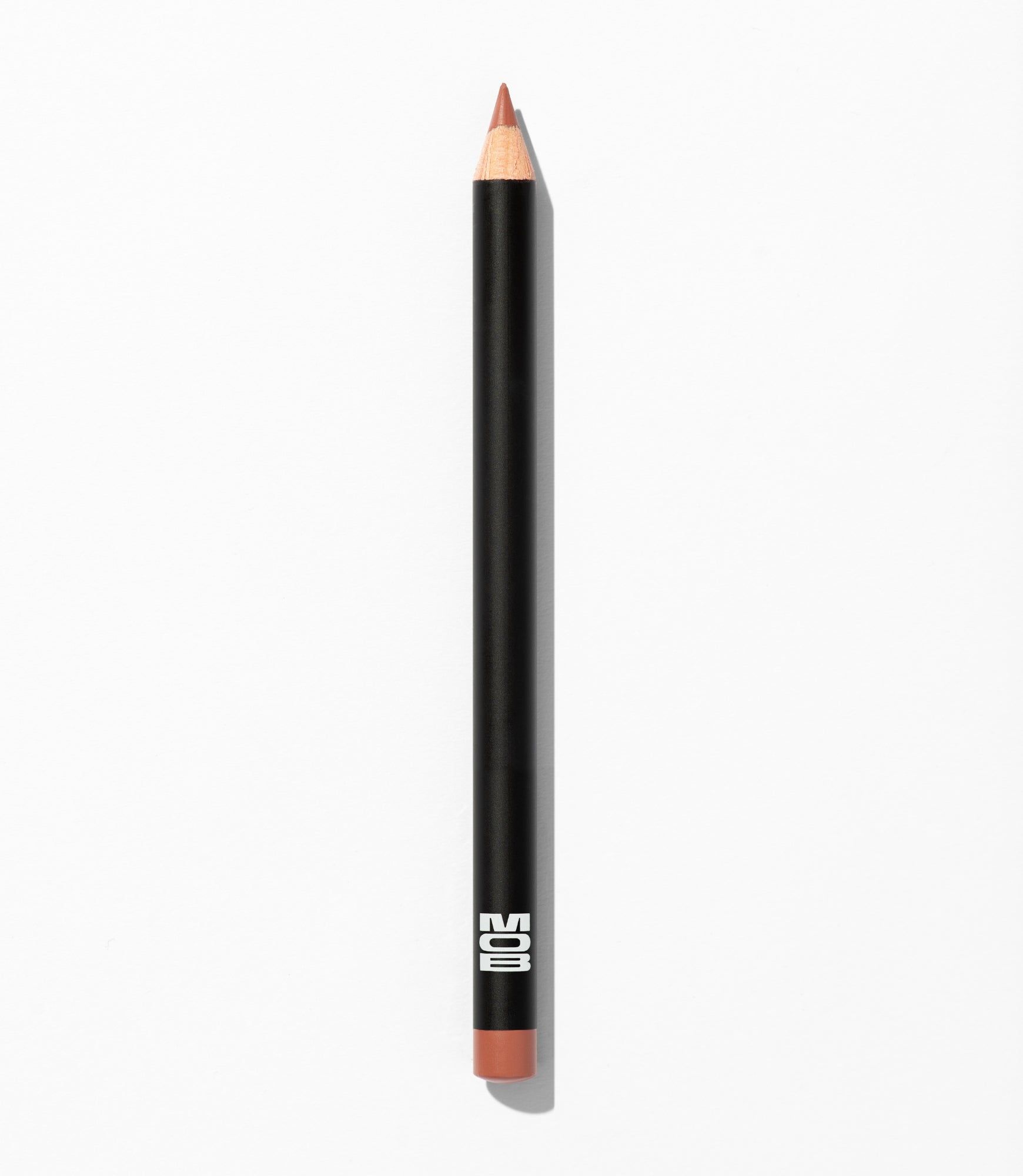
Mob Beauty
Smooth Precision Waterproof Lip Liner
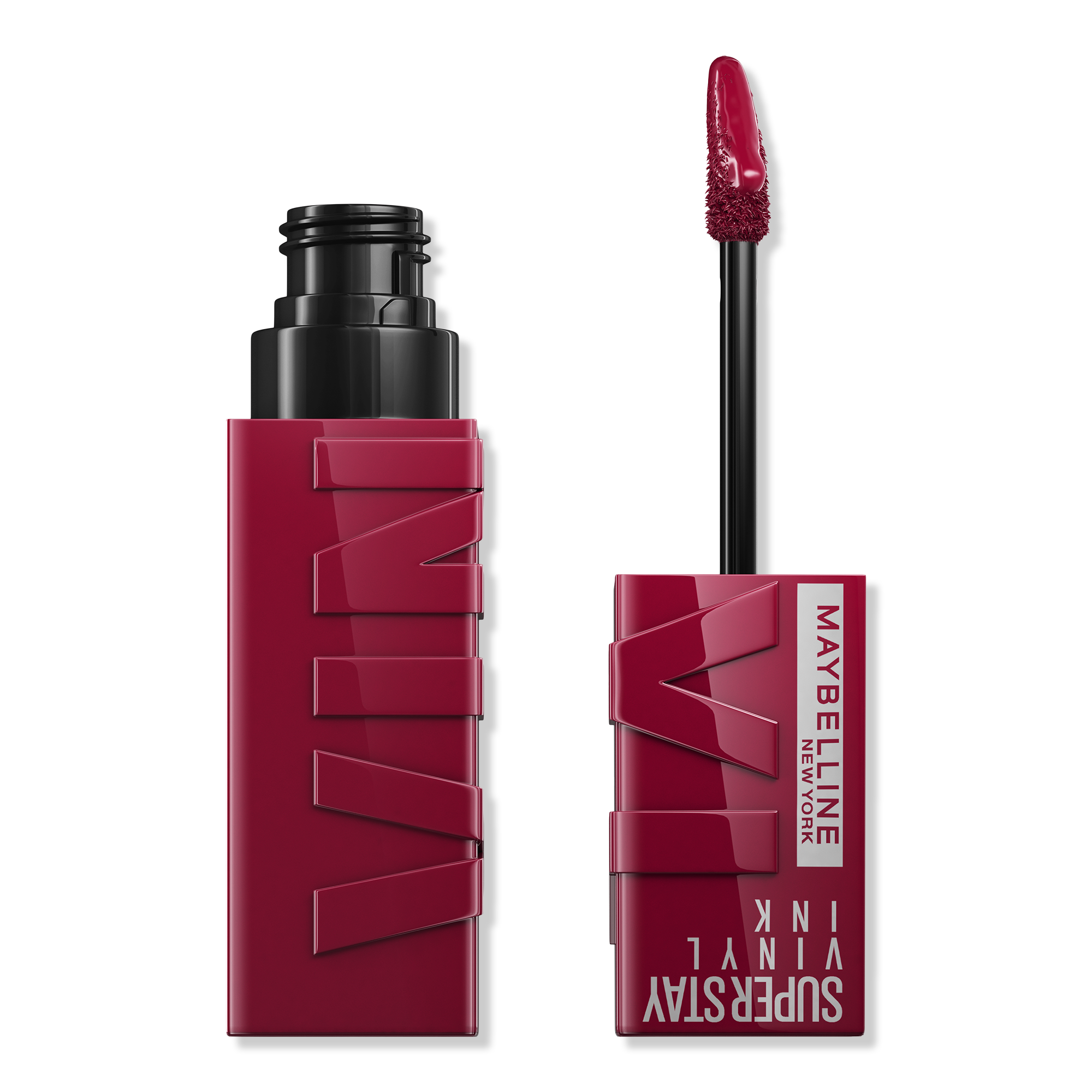
Maybelline
Super Stay Vinyl Ink Liquid Lipcolor
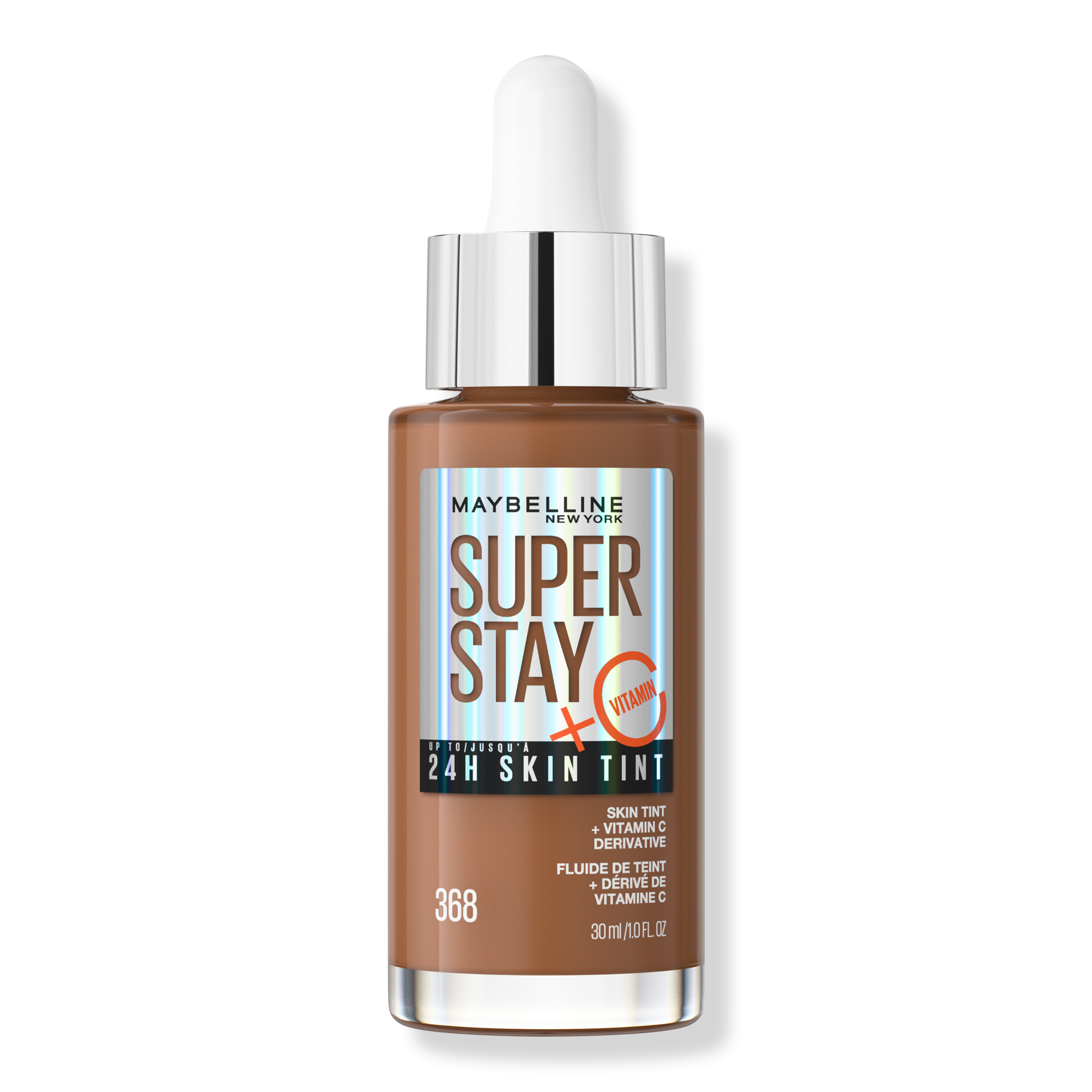
Maybelline
Super Stay 24h Skin Tint + Vitamin C
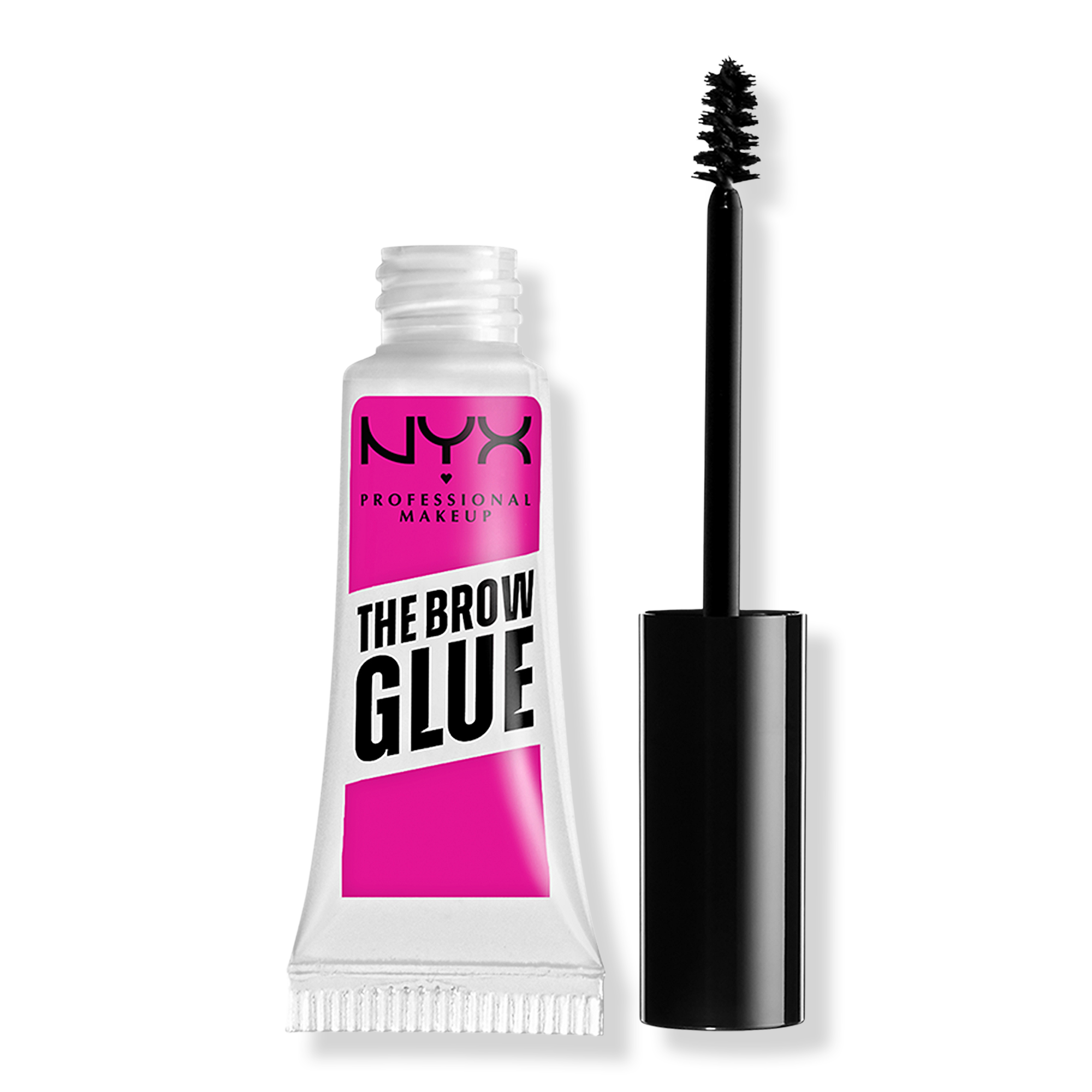
Nyx Professional Makeup
The Brow Glue Laminating Setting Gel
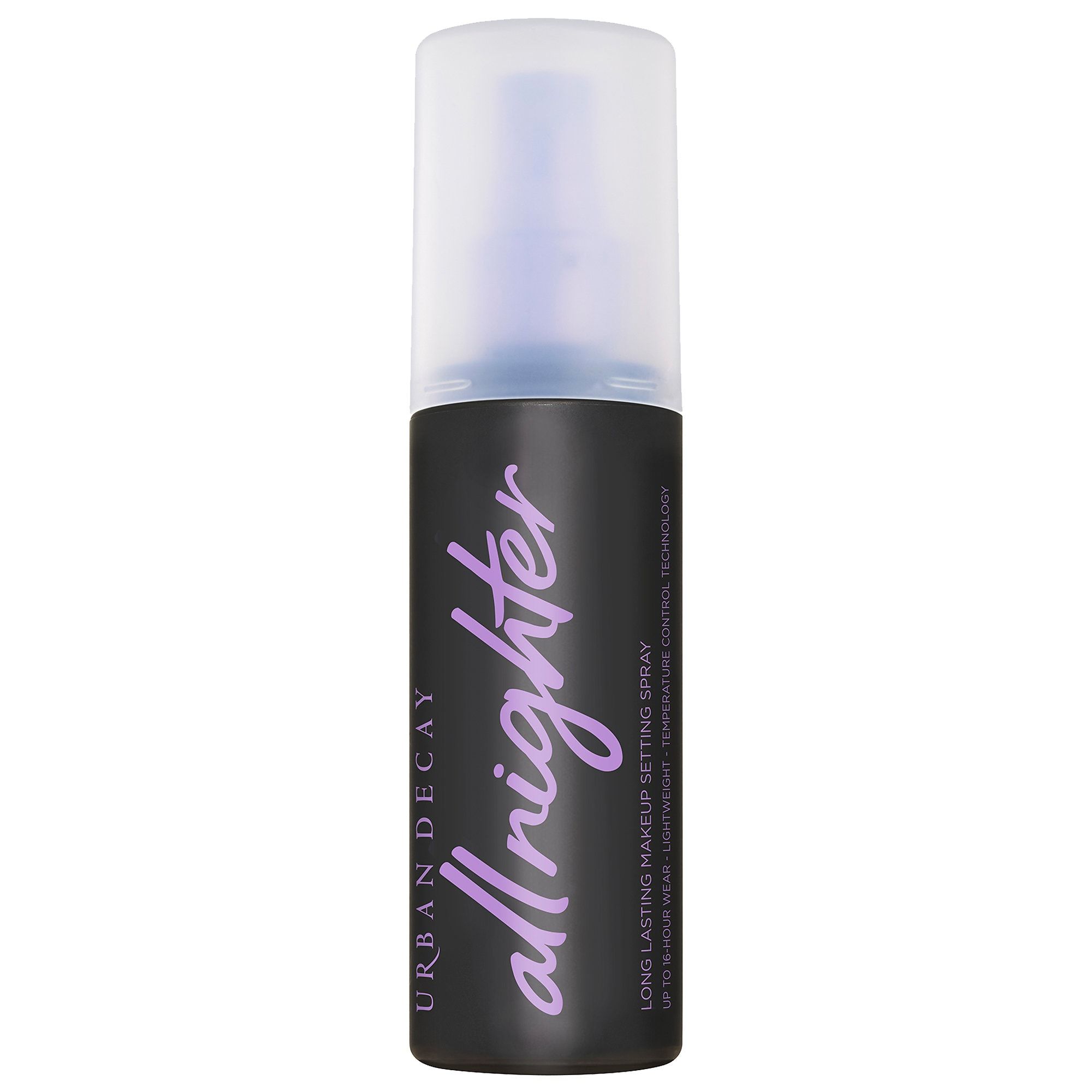
Urban Decay
All Nighter Waterproof Makeup Setting Spray
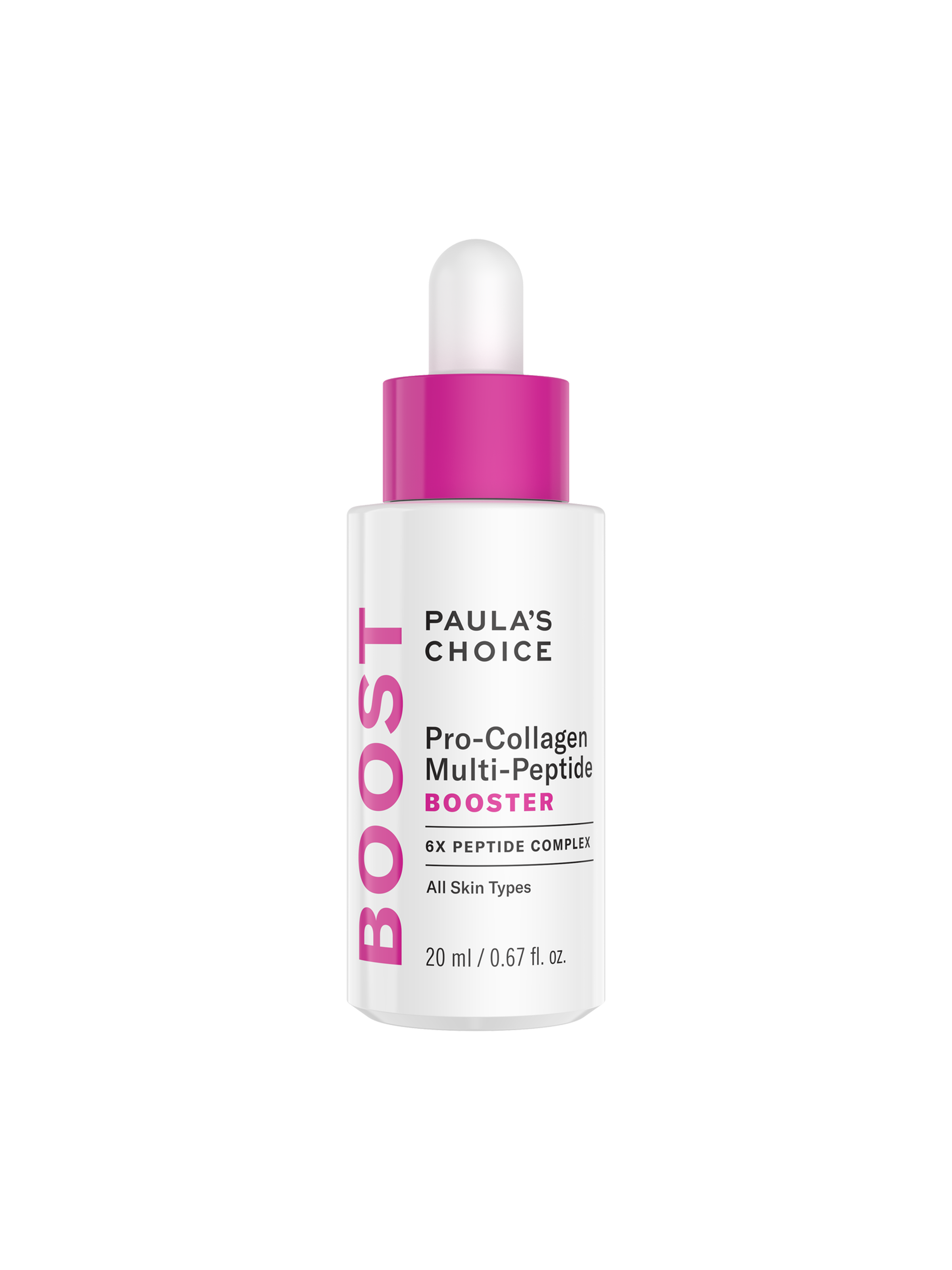
Paula’s Choice
Pro-Collagen Multi-Peptide Booster
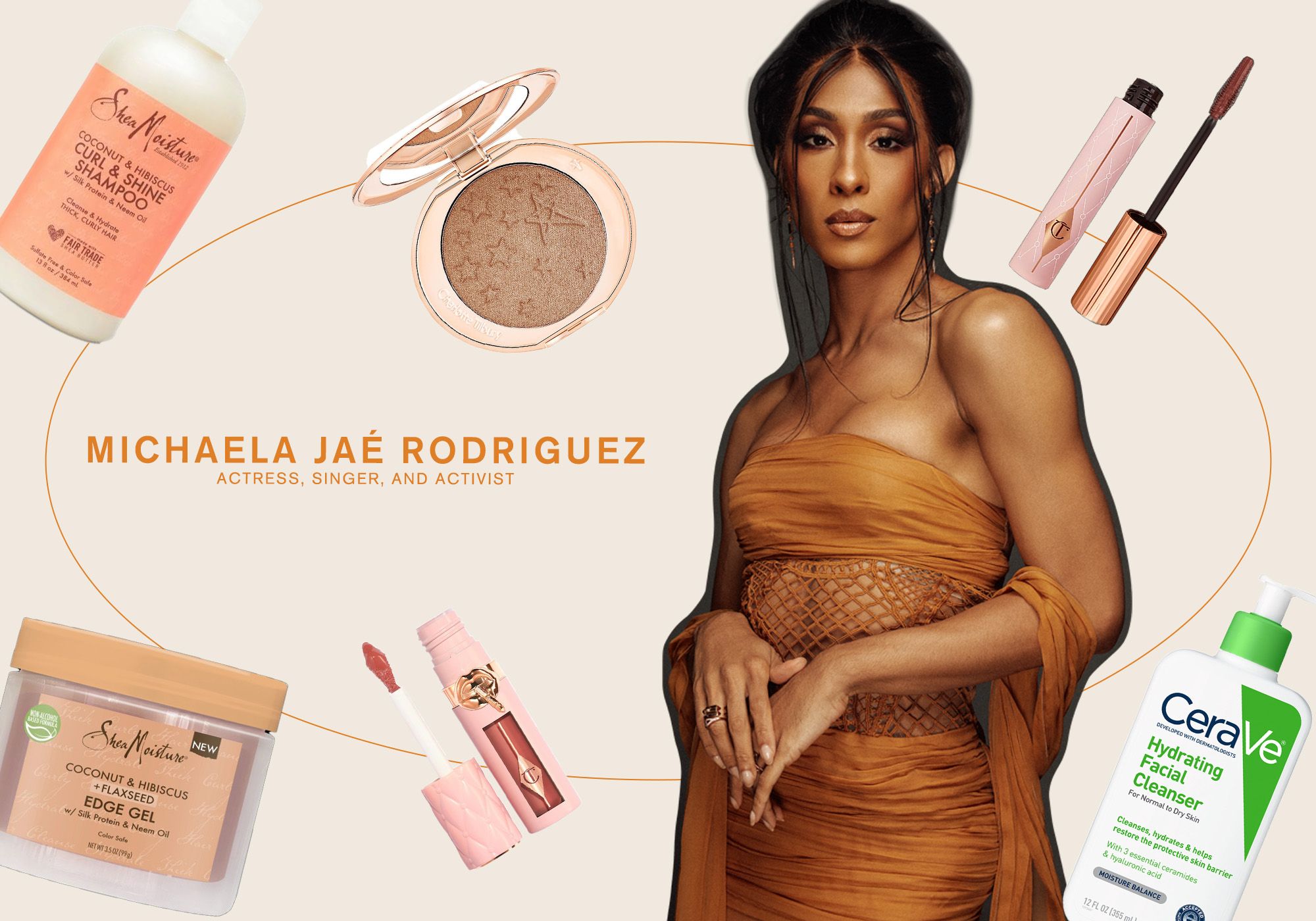
(Image credit: Michaela Jaé Rodriguez; Art by Audrey Hedlund)
Michaela Jaé Rodriguez also discovered her love for beauty through skincare—namely, swiping creams and tonics from her mother’s vanity. “I loved my skin looking clean,” the Golden Globe–winning and Emmy-nominated actress tells me. “It just made me feel so dainty, cute, and feminine.”
Today, she calls her skincare routine her “replenisher,” a moment of self-care that helps lift her mood and refresh her spirit. Even a simple wash with CeraVe’s classic Hydrating Cleanser feels therapeutic before tackling a busy day (of which there are many—in addition to cinching award-winning acting roles, Rodriguez has also just released a new single titled “I Am“). “There are days when I don’t wear a lot of makeup. I’ll just put my hair in a ponytail, and my skincare is enough. It really does lift me up a lot,” she says.
Don’t think that means she’s not a makeup girl! When I ask about her first gender-affirming beauty experience, she immediately recalls the first time she slicked on mascara and marveled at her fluttery, doe-eyed lashes. She never looked back.
“It elevated me,” she shares. “There’s something about mascara that makes [your lashes] so prominent and brings your eyes out so much that I was using it almost every single day when I went to school.” She favored a rich brown hue that complements her eyes, which remain her favorite feature to enhance. Even today, she loves coating her lashes with interesting jewel tones instead of the typical inky black. “When you want to do a nice eye [and] want to have something neutral, burgundy goes really well,” she offers, naming Charlotte Tilbury’s Pillow Talk Push Up Lashes as her all-time favorite, even before she became the brand’s Beauty Muse.
I’d say that one tip encompasses Rodriguez’s entire makeup MO: neutral and no-fuss yet eye-catching all the same. “You don’t have to put on a whole bunch of makeup to make yourself feel comfortable,” she explains. In fact, it’s a minimal beat—a coat of brow gel here, a swipe of mascara there—that makes her feel the most confident. “And I think that’s so crucial when it comes to femininity and gender-affirming,” she adds. “Makeup, in general, is a superpower that people should take hold of whenever they can to boost their confidence.”
To use Rodriguez’s words, beauty is a superpower—but that power ultimately lies within her, not necessarily in the products she’s using. Those items certainly helped her get to a place of self-discovery, but beauty, for Rodriguez, has always been more about understanding her essence. “Like a phoenix from the ashes, you rise and you are beautiful,” she would tell her younger self, the Michaela Jaé wearing brown mascara to school for the very first time. “No matter what, whether you have makeup on or not, it is simply an accentuation of who you already are and who you’ve always been.”
Browse Rodriguez’s Beauty Favorites
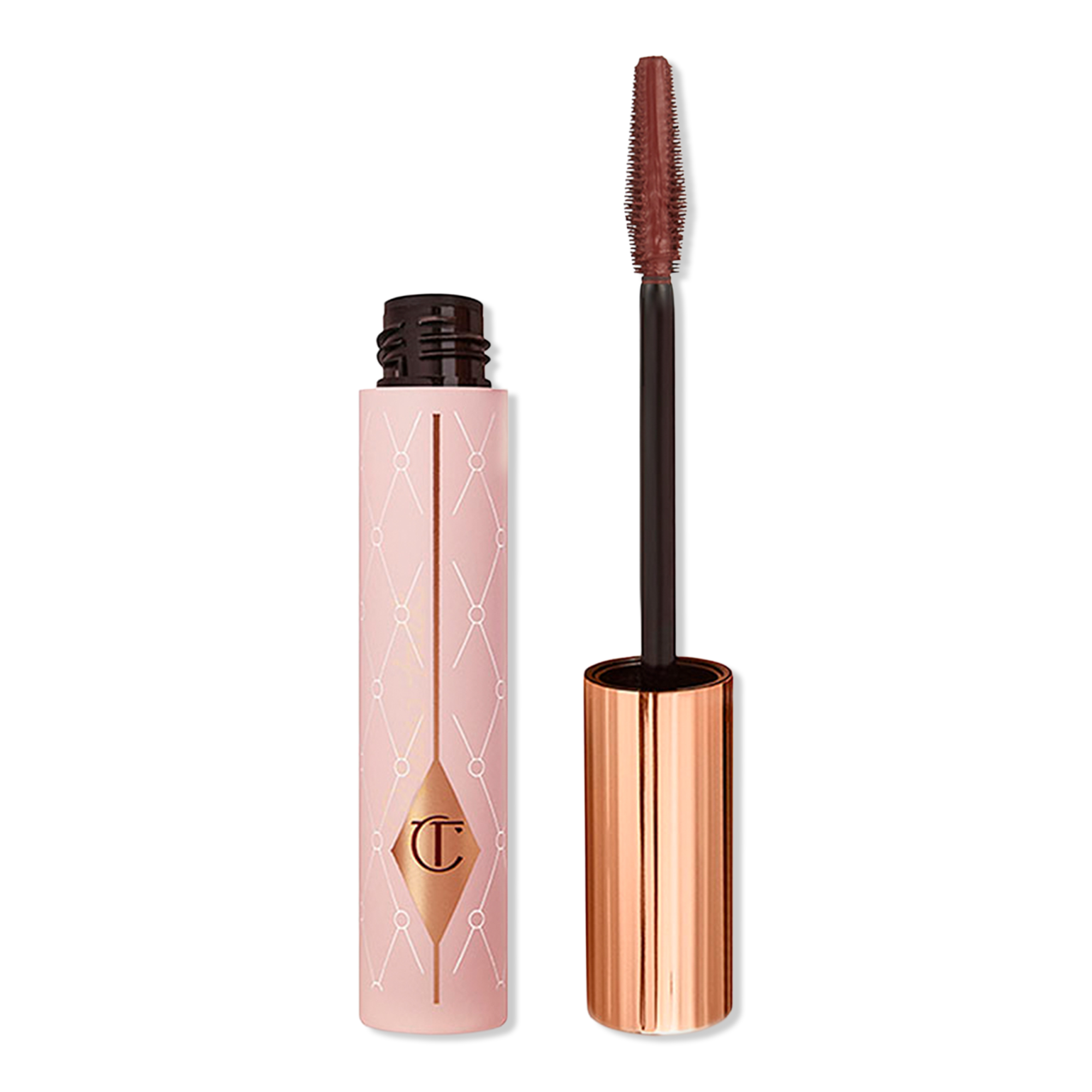
Charlotte Tilbury
Pillow Talk Push Up Lashes Volumizing & Lengthening Mascara
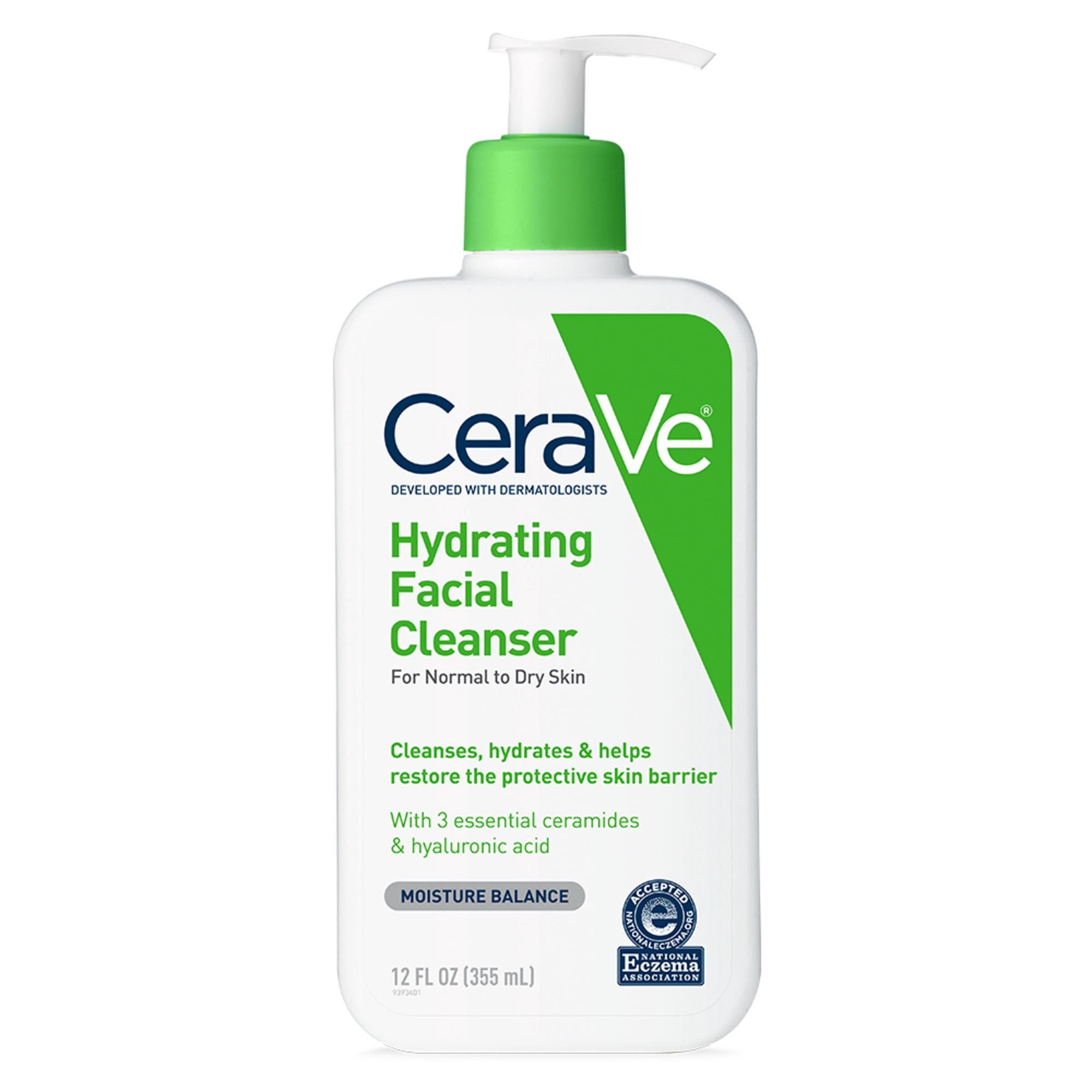
CeraVe
Hydrating Facial Cleanser
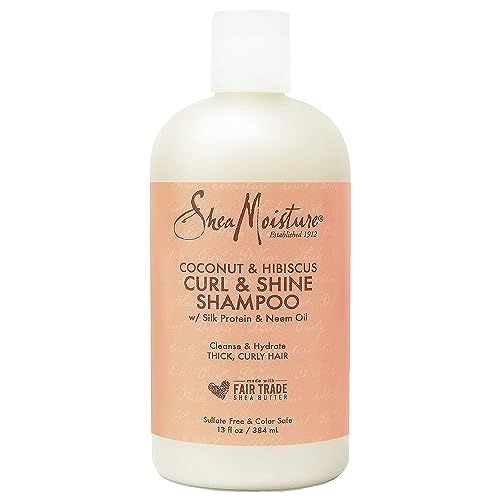
SheaMoisture
Coconut & Hibiscus Curl & Shine Shampoo
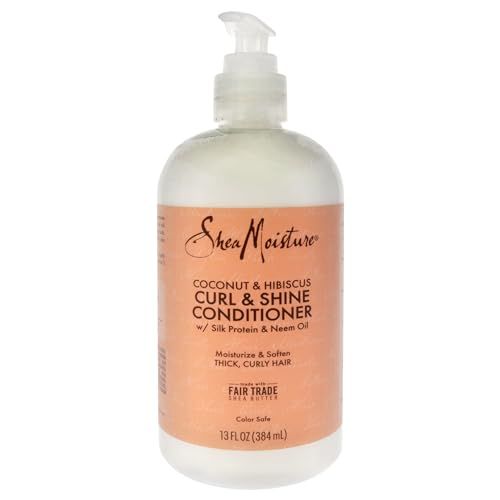
SheaMoisture
Coconut & Hibiscus Curl & Shine Conditioner
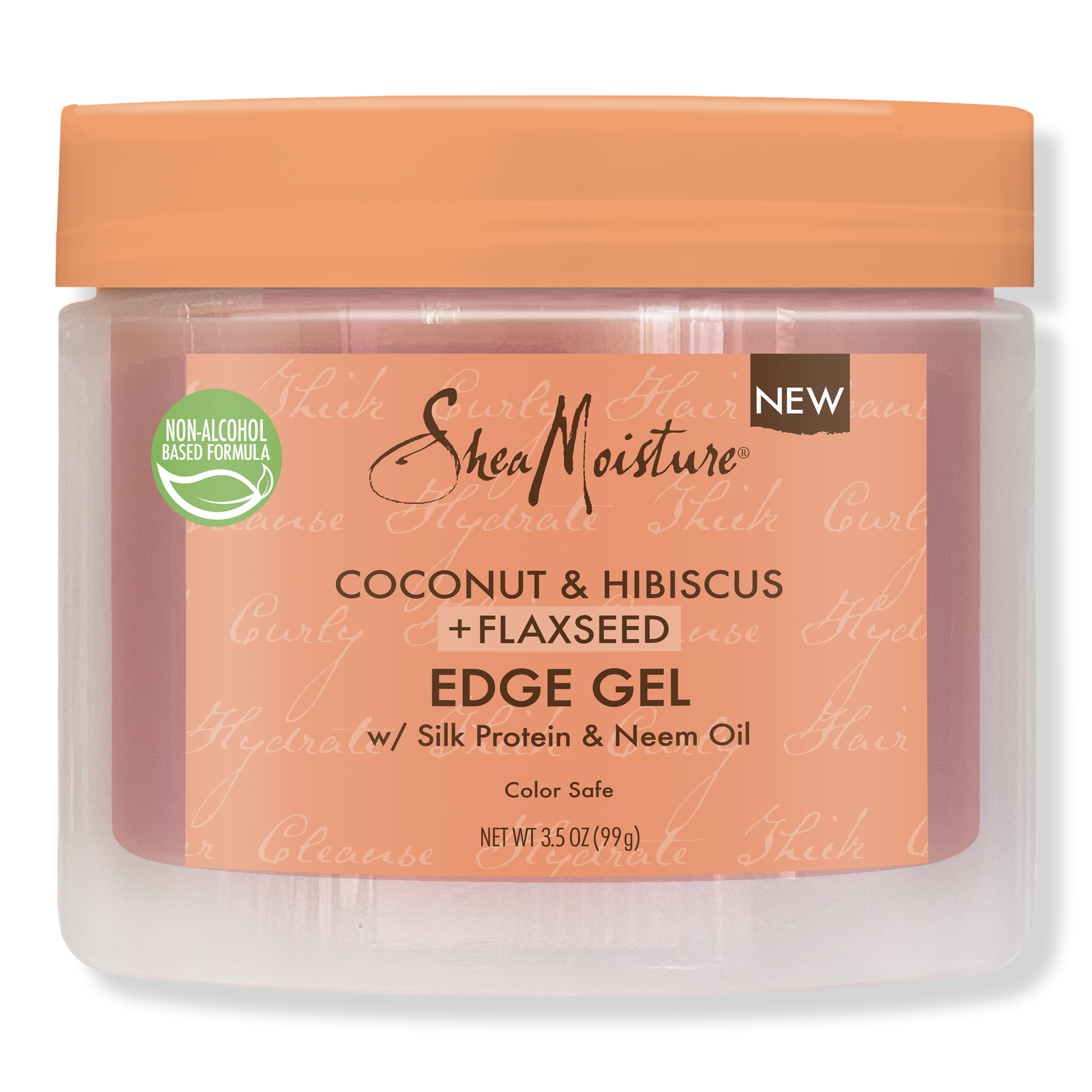
SheaMoisture
Coconut & Hibiscus Flaxseed Edge Control Gel
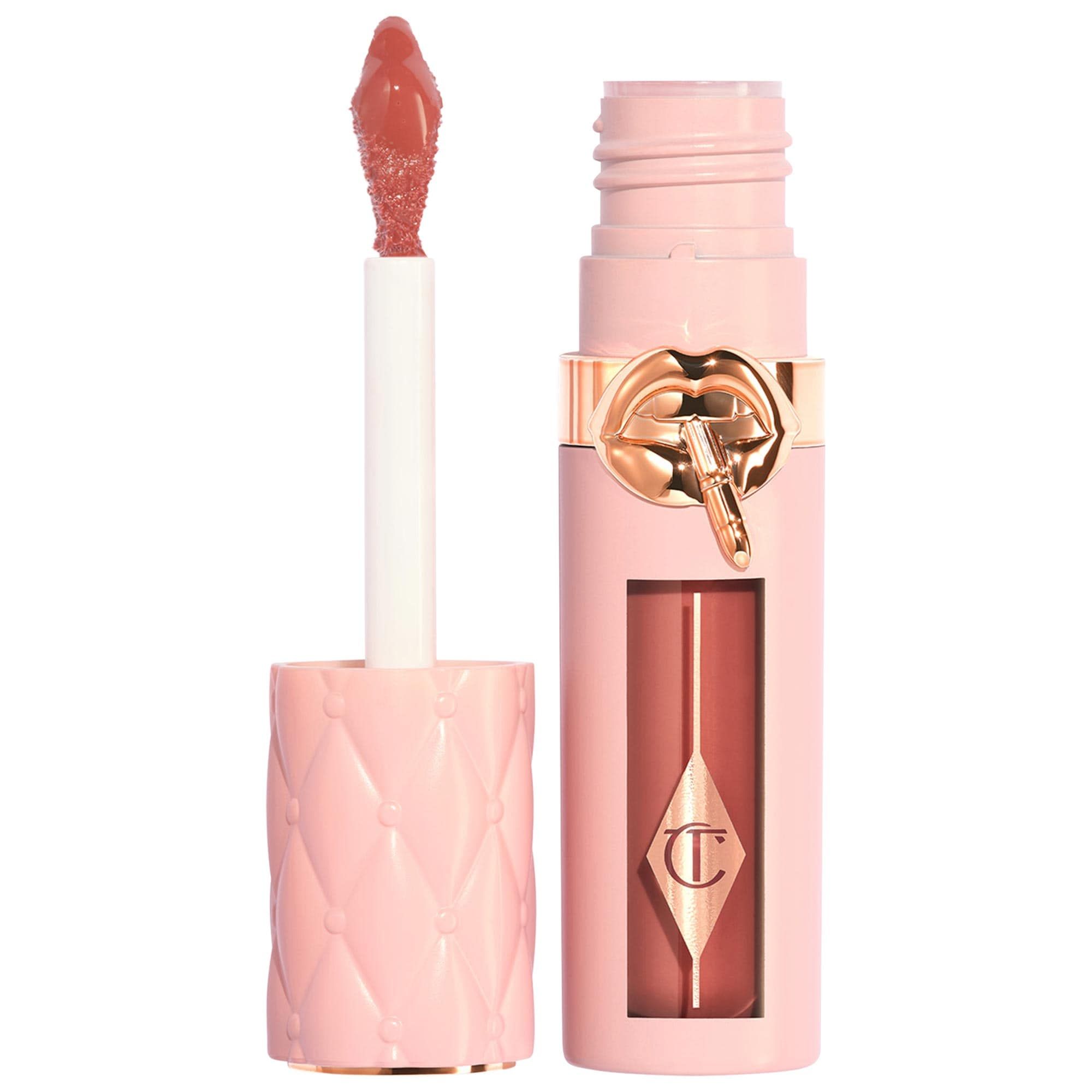
Charlotte Tilbury
Pillow Talk Big Lip Plumpgasm Plumping Lip Gloss
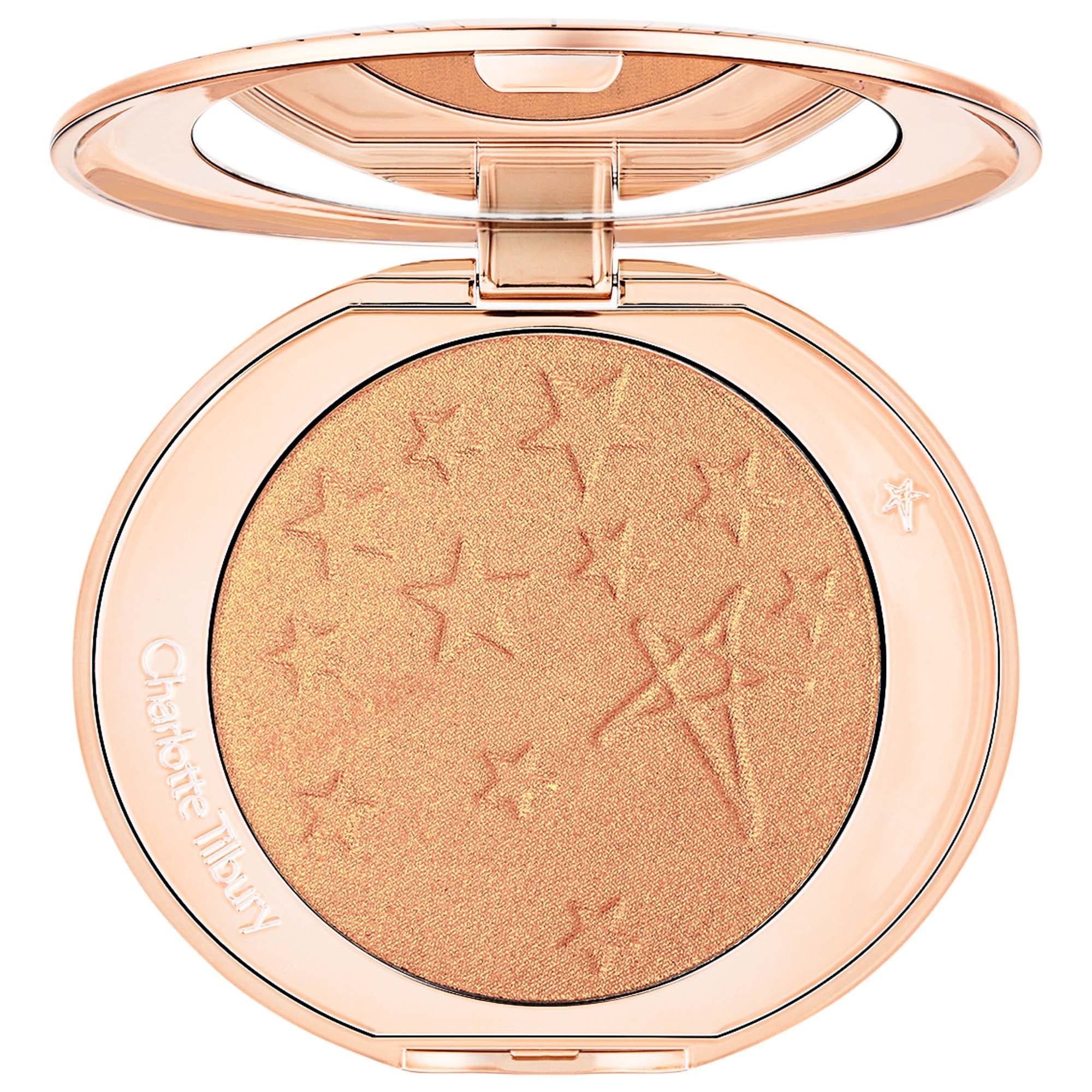
Charlotte Tilbury
Glow Glide Face Architect Highlighter
(Image credit: Valentina Sampaio; Art by Audrey Hedlund)
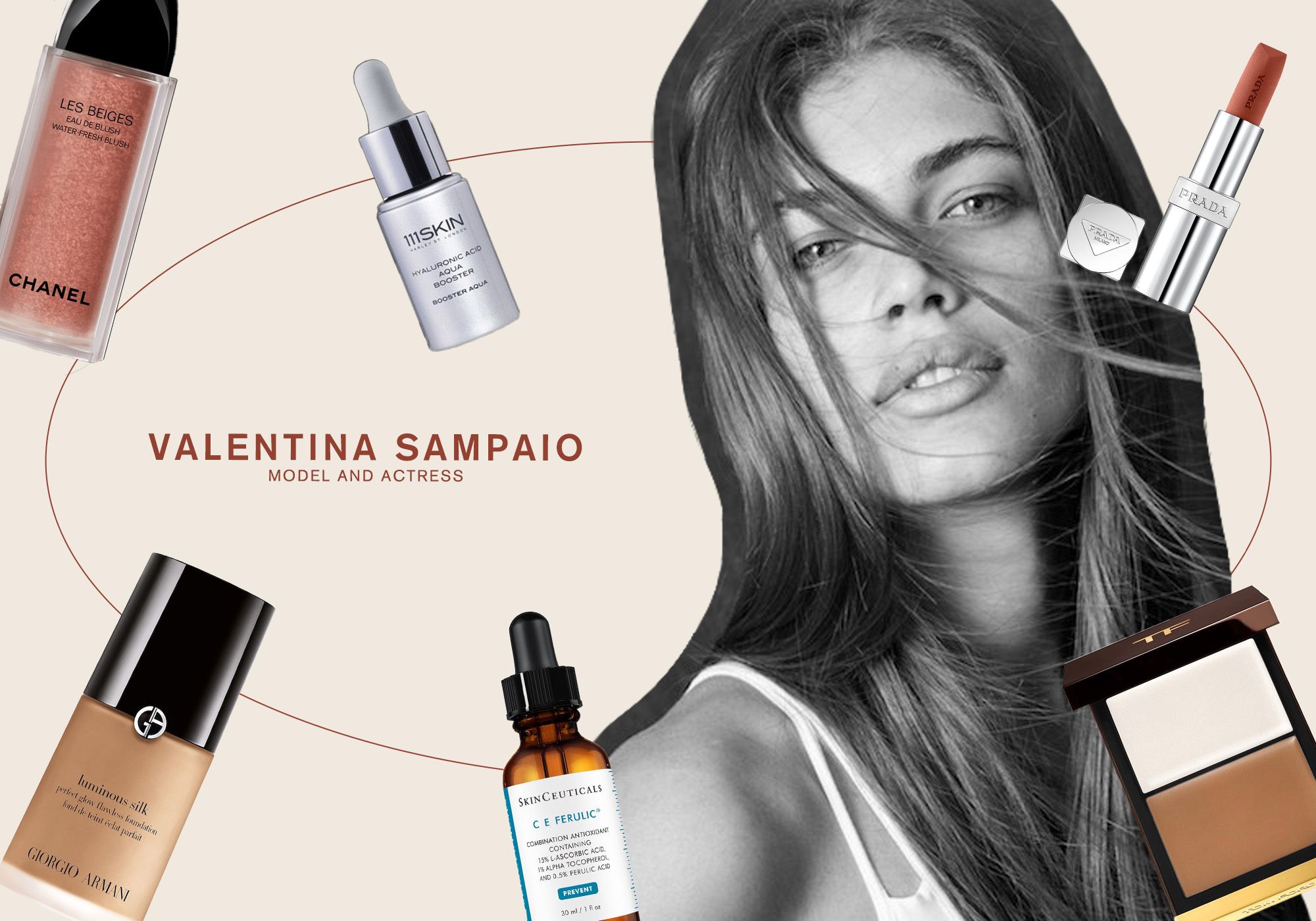
Valentina Sampaio admits she wore way more makeup as a teenager than she does today—a common theme I’m gathering from all four women I spoke to. This makes sense, when I think about it. A less-is-more approach typically becomes more common with age, perhaps as one becomes more adept in enhancing their natural features. (After all, globbing on layers of concealer can actually exacerbate aging concerns, like fine lines.) But for Sampaio, the paring back also stems from comfortably growing into her gender identity. “Makeup was one of the major symbols and tools of femininity for me throughout my life. It was through makeup that I grew in connection and confidence with my true self,” she says. Once she reached the apex of that gender discovery, she didn’t necessarily need a full face beat to feel like herself.
So Sampaio looks back on those beauty memories fondly, but if she could rewind time, she would actually tell herself to cool it with the heavy makeup. “Girl… Go easy on the compact powder foundation,” she jokes. “I used to put [on] too much. Less is more.” She’d much rather opt for a sheer layer of Armani’s Luminous Silk Foundation, a cult classic renowned for its natural skin finish.
That said, she’ll never, ever, back down from a bold, red lip. “I’ve always been fascinated by red lipstick—even as a child. It was one of the few makeup products my mother would use. Whenever she would get ready for a special occasion, she would let her hair down and put on her red lipstick,” she recounts. “For me, a red lip symbolizes the celebration of femininity and beauty. Even today, whenever I put it on, it makes me feel more myself: feminine, confident, and empowered.” On more minimal makeup days, she’ll snag Prada’s Moisturizing Lip Balm, which comes in multiple rosy tints for a sheer wash of color.
The final look is certainly affirming for Sampaio, but the simple act of getting ready is what truly brings her the most joy. “That process of preparing myself gave me a sense of connection to confident femininity, which I felt reflected my true identity,” she notes. Whether it’s slathering on a vitamin C serum (courtesy of SkinCeuticals, another beloved classic) or glazing her cheekbones with a dewy Chanel liquid blush, it’s the ritual itself that makes Sampaio feel “complete,” she says. “Like the other girls, I would look in the mirror and think, ‘Now, I am ready.'”
Browse Sampaio’s Beauty Favorites
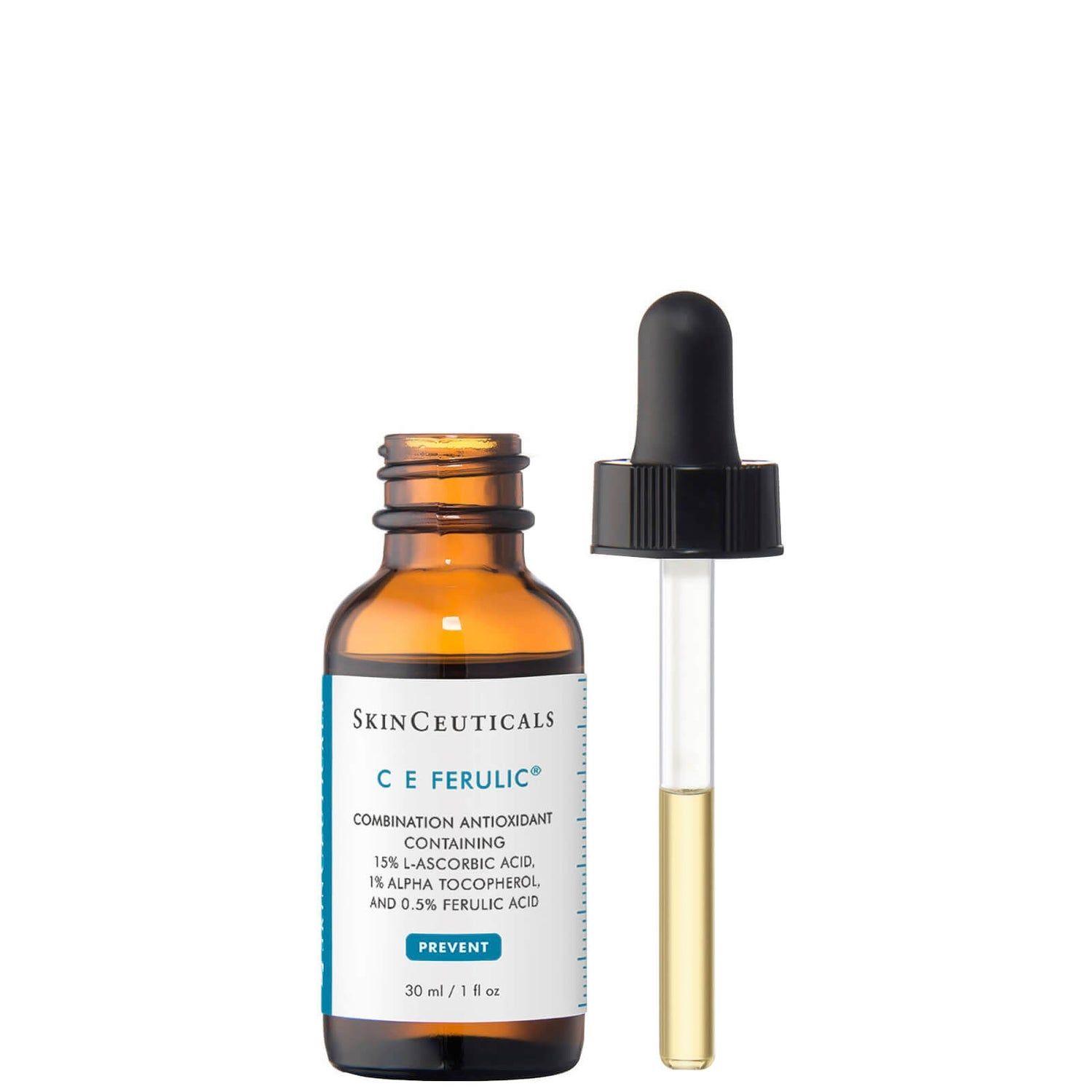
SkinCeuticals
C E Ferulic
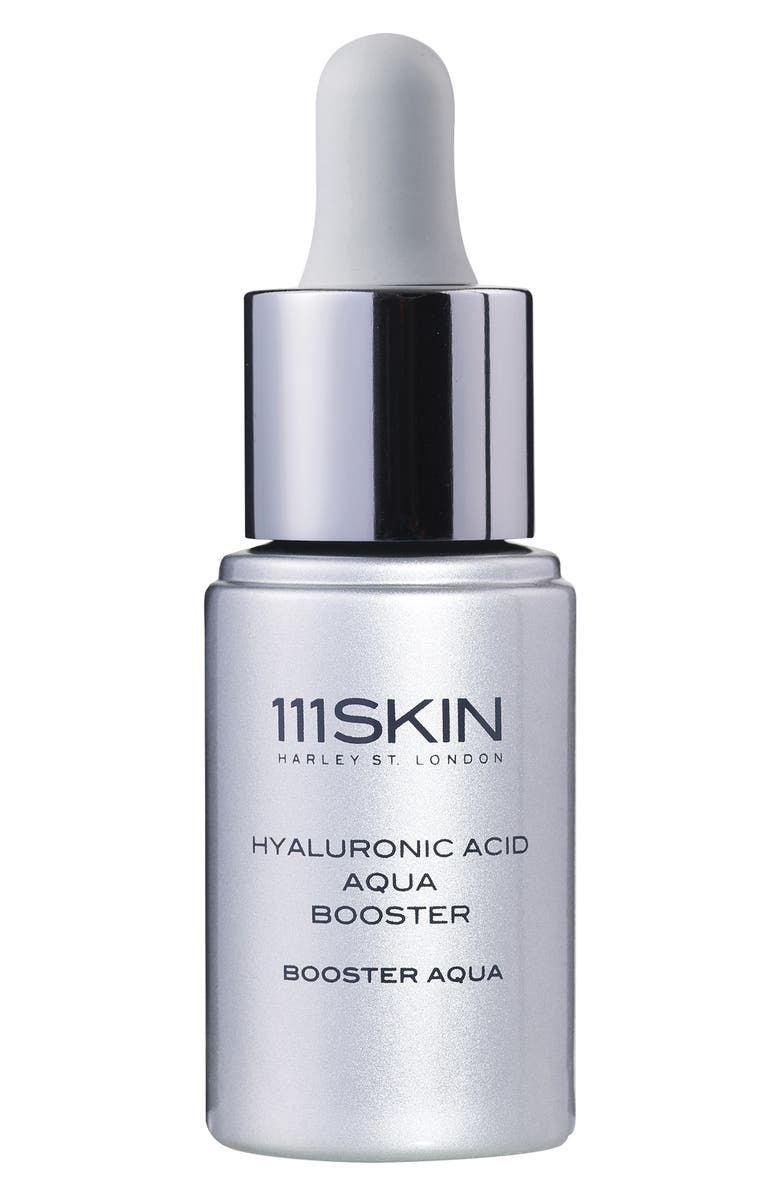
111Skin
Hyaluronic Acid Aqua Booster
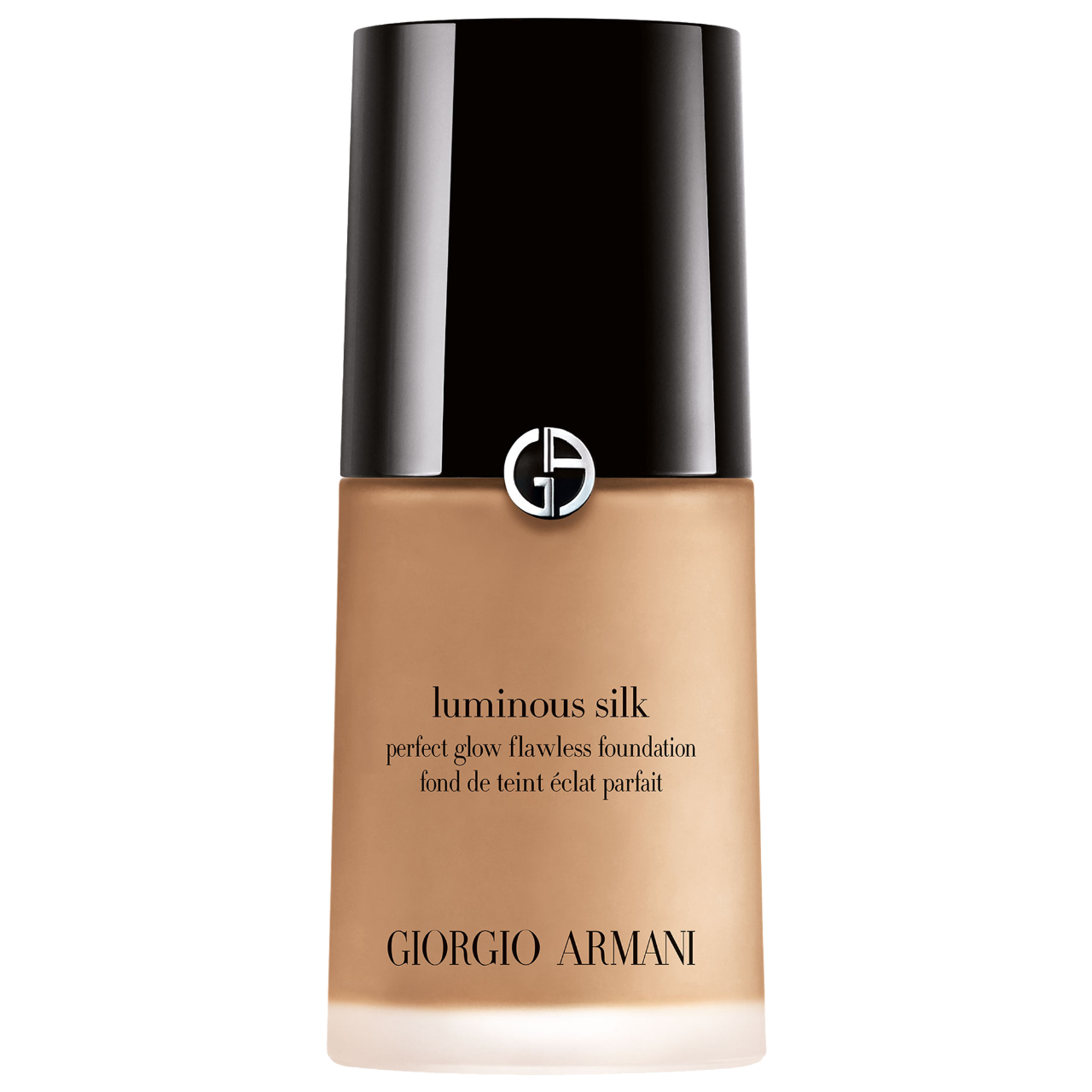
Armani Beauty
Luminous Silk Perfect Glow Flawless Foundation
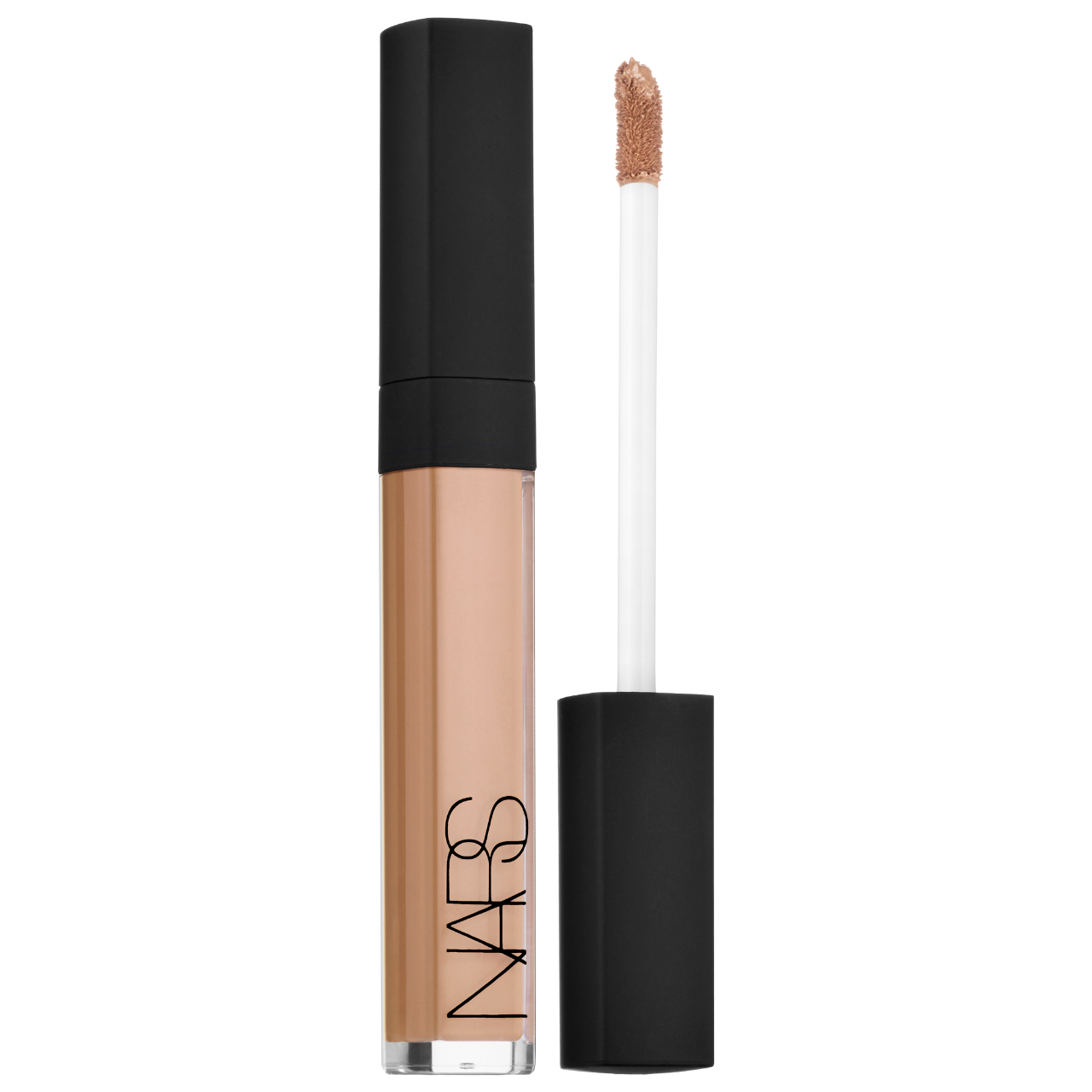
Nars
Radiant Creamy Concealer
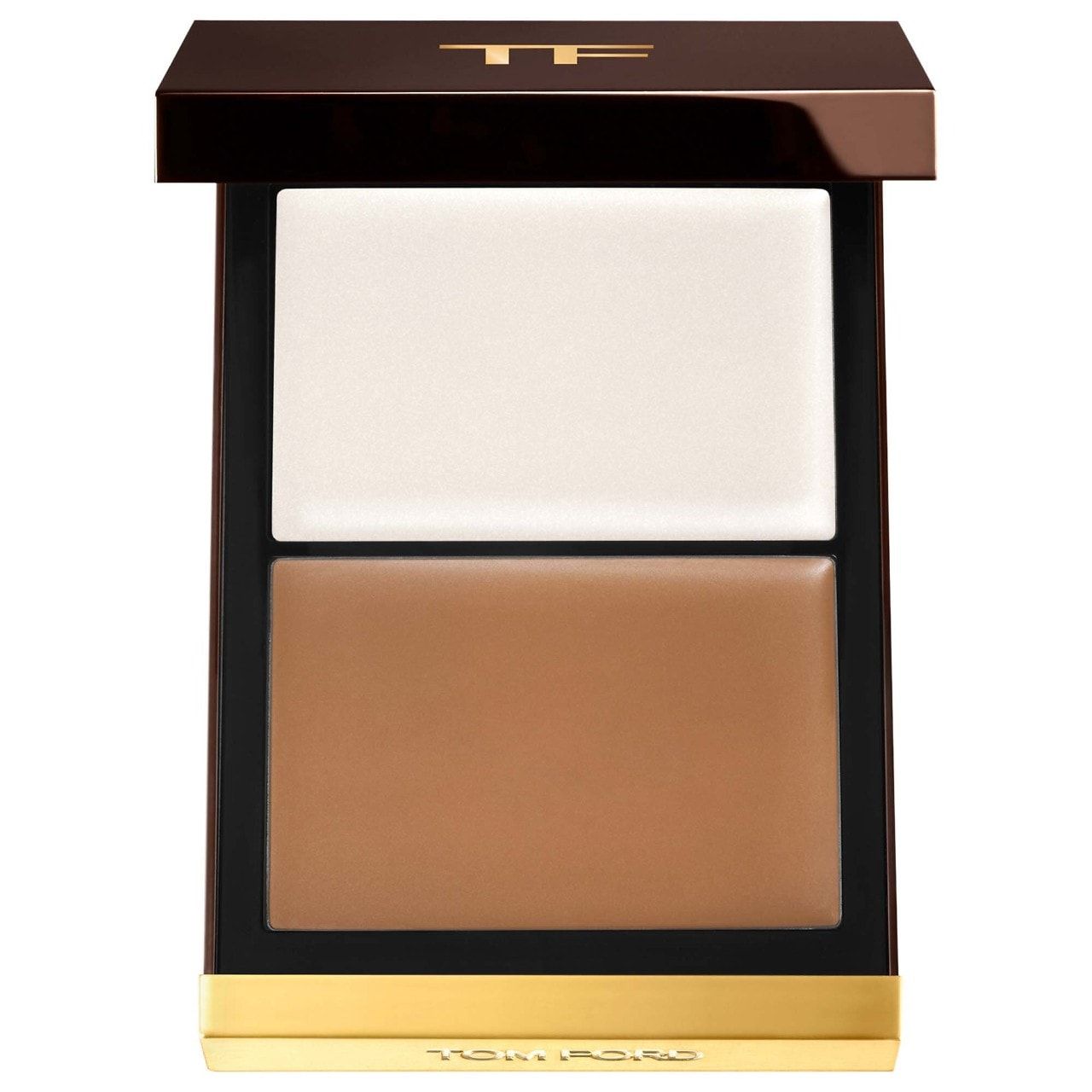
Tom Ford
Shade and Illuminate Cream Contour Duo
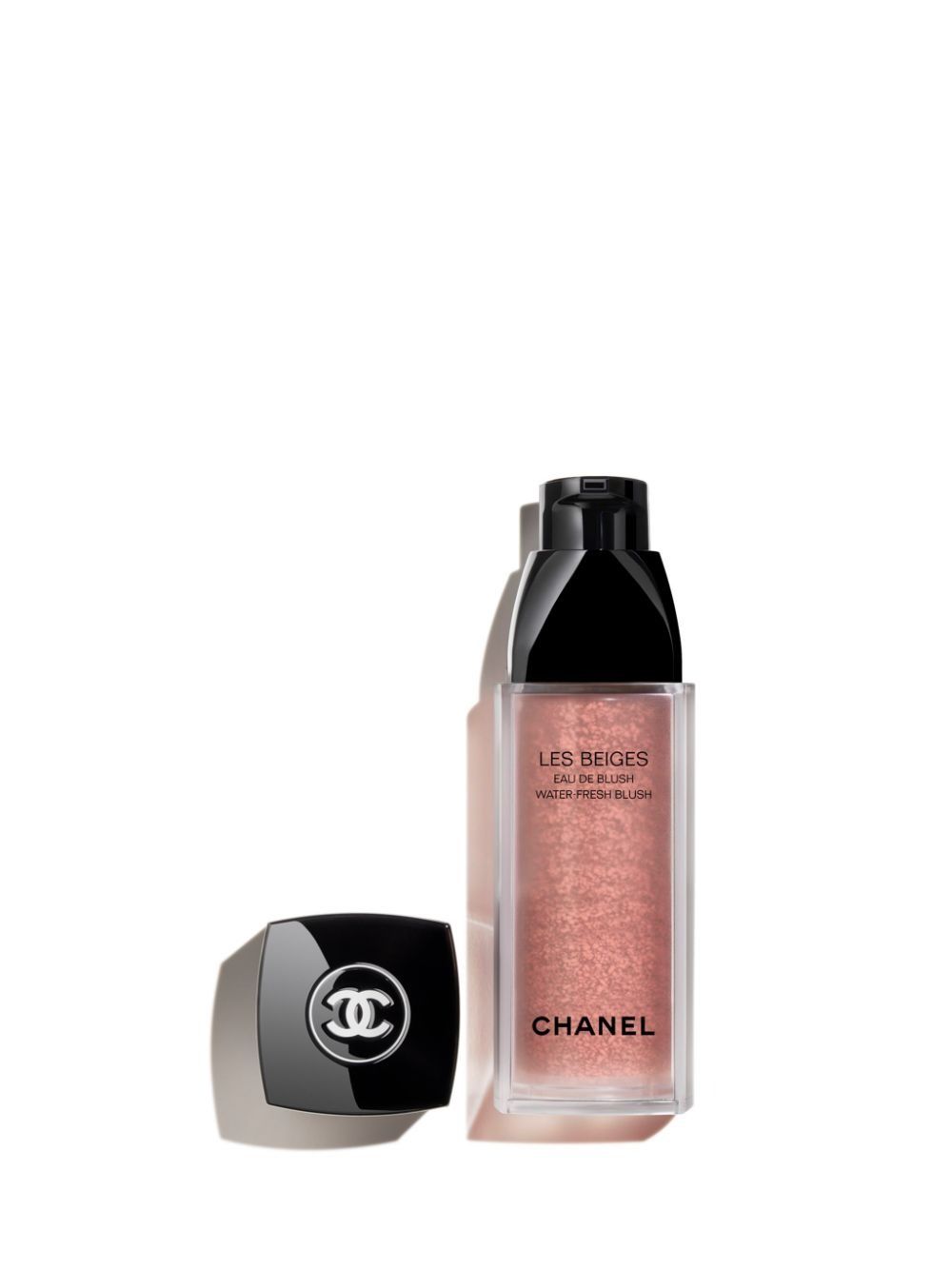
Chanel
Les Beiges Water-Fresh Blush
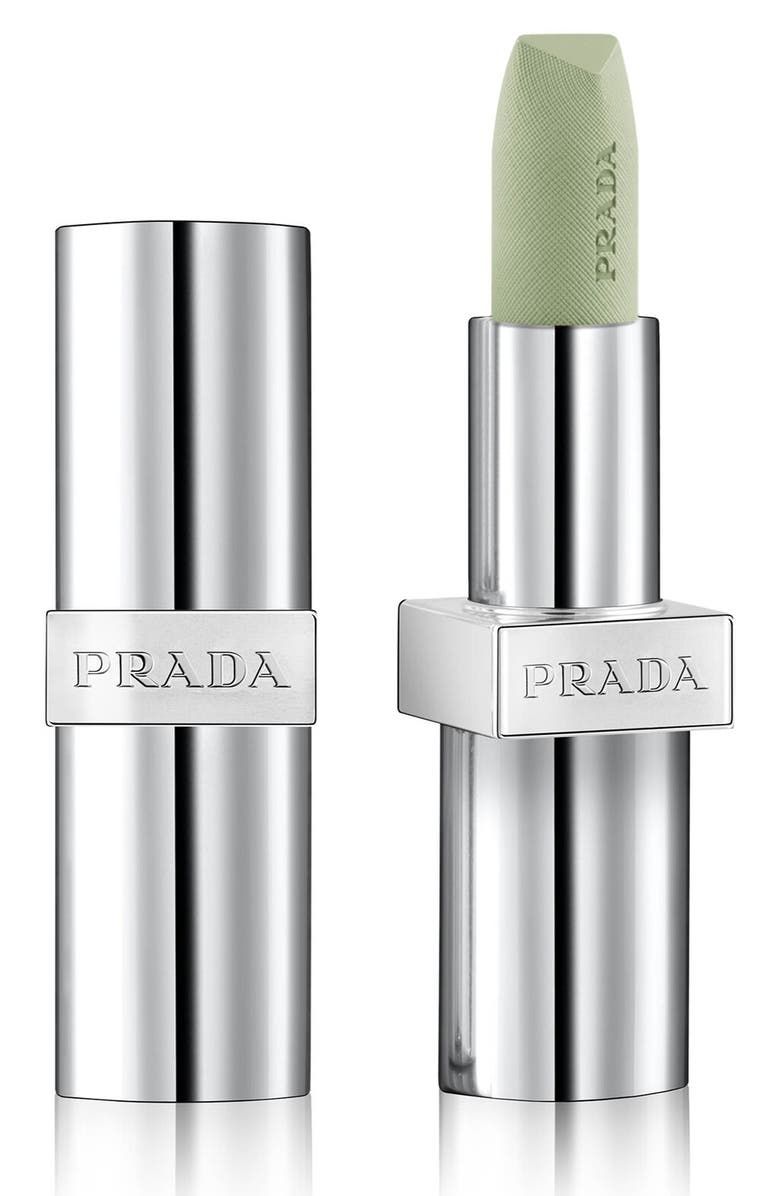
Prada
Moisturizing Lip Balm
Read the original article here