


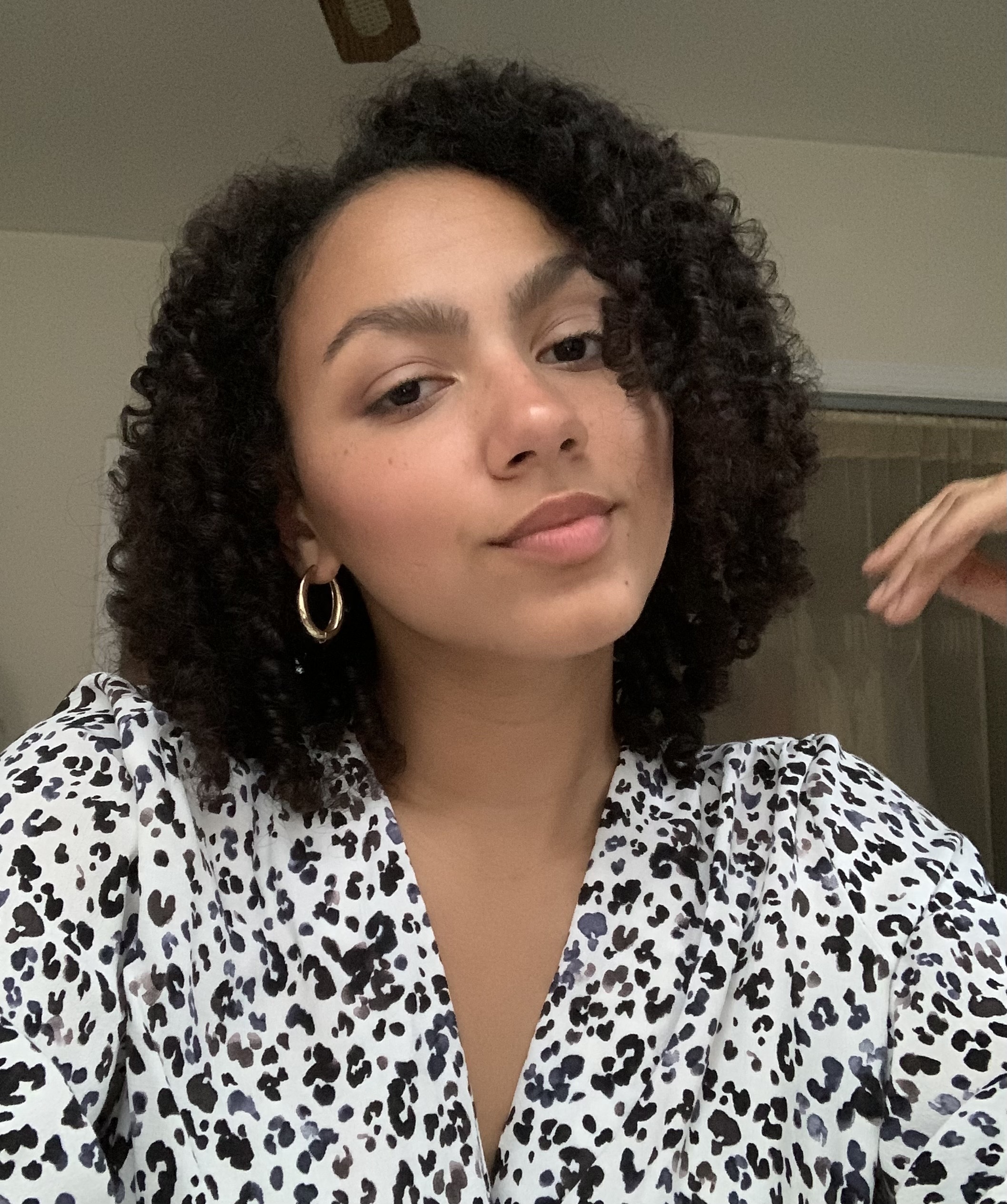

Growing up with curly hair wasn’t always the easiest. I was constantly looking for ways to tame my 3b, 3c curls, and before I hit my teens, I turned to flat irons and hair dryers on a regular basis. What started as an occasional trip to the salon turned into monthly visits that I kept up consistently for almost 10 years. The result: heat-damaged curls that completely lost their natural pattern. As it turned out, what I thought would make styling easier actually made my natural hair days more difficult to manage.
Once I did my big chop at age 20, I became committed to reviving my curls. I had to develop a whole new regimen, which wasn’t exactly easy when I wasn’t sure what kind of products to use. Since then, I’ve learned a thing or two about the essentials and tried dozens of products that have contributed to the overall health of my hair. If you’re on your own curl recovery journey, you’re not alone. Check out some expert-approved trips for healthier, juicier curls.
How long does it take to restore curly hair?
While your favorite products often claim to restore hair in just one use, true repair takes a little longer. For starters, the recovery process looks different for everyone and will be unique to their situation (think: the severity of the damage, genetics, etc.). That said, you can expect to see improvement within four to six weeks with proper care, according to Bumble and Bumble stylist Anilsa Sanchez. Still, it can take up to a year to see full results, says curly hair specialist Candace Witherspoon. Overall, patience and consistency with your regimen are key.
Does trimming hair help curls?
In short, getting regular trims is essential to promoting and maintaining hair health—and that goes for all hair types. Over time, your hair may develop split ends, brittleness, or (if you’re like me) excessive fairy knots. “Depending on the person, it’s best to do small or big chops so there isn’t continued breakage,” says Witherspoon. “I always recommend a trim every four months to help keep ends clean.” Getting regular trims also leads to more defined curls, adds Sanchez.
Is it okay to use heat on curly hair?
While it might be difficult at first, you may have to break up with some of your favorite heated styling tools. “I would still recommend drying hair with a diffuser, but avoid other hot tools like curling irons or flat irons since heat does lead to damage, even if mild,” says Christine Hall, vice president of research and development at Aveda. Sanchez agrees, adding that the diffuser, and any other styling tool, should be used on the lowest intensity, and heat protectant should be applied beforehand.
Tips for reviving curly hair
1. Use a bond-building treatment.
If you’re wondering if you have the kind of hair that requires routine bond treatments, spoiler: All hair types do. “Curly and coily hair are inherently more fragile than straight hair,” says Hall. “So when you add on damage-causing culprits like coloring, heat styling, or even UV exposure, you are adding even more stress to already fragile hair.”
But what exactly does a bond repair treatment do? These formulas work to repair the chemical bonds within the hair shaft, says Witherspoon. “It strengthens the hair from inside out and prevents damage from heat styling and chemical services,” she says. As a result, you’ll notice less breakage and improved elasticity. For best results, Sanchez recommends using a bond-building treatment every four to six weeks, but severely damaged hair may need it every two to three weeks.
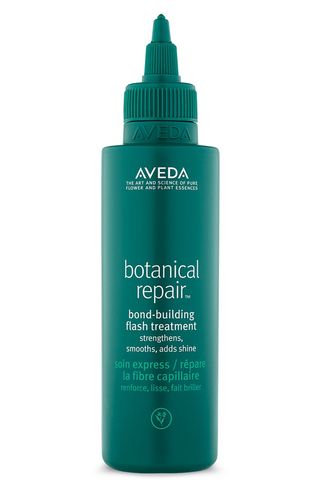
Aveda
Botanical Repair Bond-Building Flash Treatment
2. Try a new shampoo.
There are two kinds of shampoo you should invest in: moisturizing and clarifying. The former hydrates your hair and the latter removes scalp buildup and gives you a super-thorough clean. With that in mind, you should alternate between your shampoos every two weeks (unless advised otherwise by your stylist), says Witherspoon.
As for the formulas, she suggests looking out for healing ingredients like hyaluronic acid, squalane, tea tree oil, ammonium lauryl sulfate, citric acid, ascorbic acid, sodium oxalate, and aloe vera—all of which are strong enough to remove buildup without damaging your curls. On the flip side, you’ll want to avoid drying agents such as silicone, parabens, and sulfates.
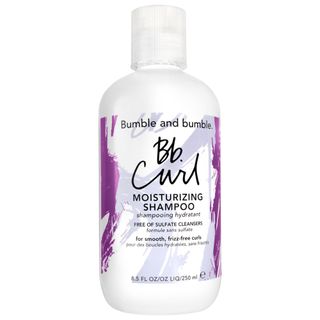
Bumble and bumble
Curl Moisturizing Shampoo
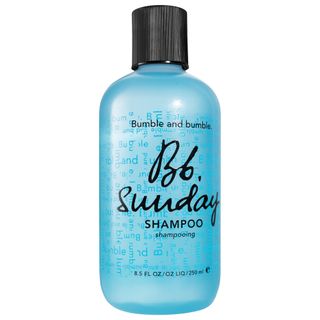
Bumble and bumble
Sunday Clarifying Shampoo
3. Find a nourishing conditioner.
When repairing damage is the priority, you want ingredients in your conditioner that focus on replenishment. For example, coconut oil has long been championed for its ability to nourish hair. “Your hair lipids naturally escape during the washing cycle, and this can especially affect damaged curls,” explains Hall. “The structure of coconut oil allows for deep penetration into your hair and can help replace your natural lipids to add back moisture lost during washing.”
Other helpful ingredients include citric acid for boosting shine and texture, proline for supporting collagen (which promotes hair growth and strength), and various types of hydrolyzed proteins, according to Witherspoon. Those with coarser hair might benefit from richer formulas that contain shea butter or avocado oil.
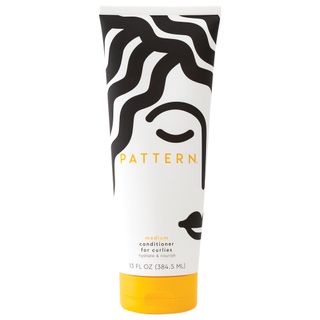
PATTERN by Tracee Ellis Ross
Medium Conditioner With Biotin
4. Stock up on masks.
Masks play a huge role in hydrating and strengthening your hair. If you feel your hair drying out, you may need a moisturizing mask. If breakage is the bigger concern, a protein mask is your best friend. Either way, you’ll want to alternate which kind of mask you use to maintain a balance. (Too much protein can be damaging.) “If you have dry, damaged hair, or very textured hair, I’d recommend using a mask all the time,” says Hall. “Then go back to regular conditioner if you feel like your hair is getting a little flat or not achieving the desired volume.”
Pro tip: Not all protein masks are created equal. Some formulas use sources that allow for smaller molecules to penetrate the hair rather than coat it. For example, rice protein is typically larger in size when broken down compared to some vegetable proteins.
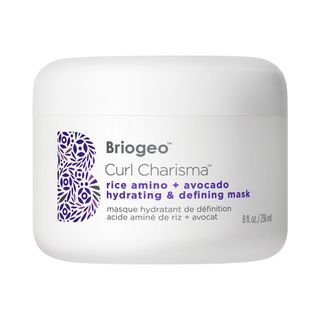
Briogeo
Curl Charisma Rice Amino + Avocado Hydrating & Defining Hair Mask
5. Invest in the right styling products.
According to Hall, the basics for styling products include a moisturizing product and a defining product. Having one of each ensures that your curls will be prepped for increased definition, shine, moisture retention, and overall health. Witherspoon notes that using the right products will speed up the restoration of curls. “The right curl regimen combined with products that are best for your curls will be a game changer,” she says.
When shopping, keep an eye out for labels that indicate if the formula is right for your type and texture. If you’re unsure what will work best for your hair, reach out to your stylist for further guidance.
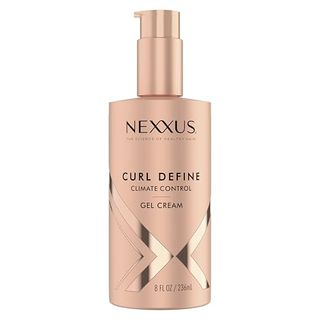
Nexxus
Curl Define Climate Control Gel Cream
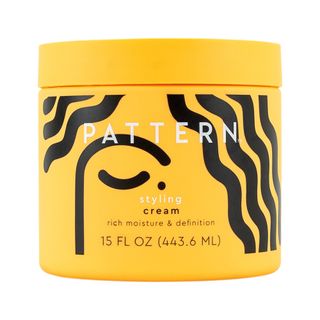
PATTERN by Tracee Ellis Ross
Styling Cream for Curly & Coily Hair
Explore More:
Read the original article here