


In fiction, as in life, redemption often comes after the worst has already happened — after the betrayal, the failure of courage or the loss that cannot be reversed. What remains at that point is a harder question: What can still be done when nothing can be undone?
These five novels follow characters who face that question under an even more difficult circumstance: their time to make amends is running out. Each book asks what it means to seek grace when there may be only one act left to offer.
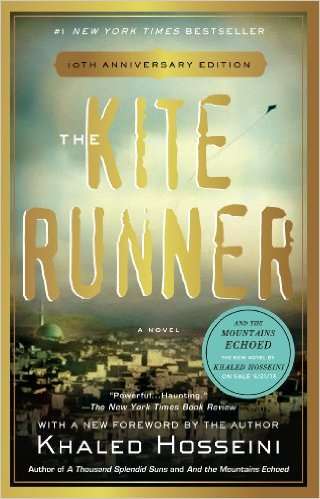
The Kite Runner by Khaled Hosseini
Amir spends much of his life trying not to look back. As a boy in Kabul, he failed Hassan, the loyal friend whose devotion he never fully deserved. After years of exile and reinvention in America, he is given a chance to return to Afghanistan and confront the damage he left behind.
Khaled Hosseini’s The Kite Runner is one of the most well-known modern novels of betrayal and atonement. Its power lies in the painful gap between regret and repair. Amir cannot undo what happened in childhood. He also cannot make himself innocent by suffering now. But he can decide whether fear will define him again — and whether one dangerous act of courage can even begin to answer for a lifetime of shame.
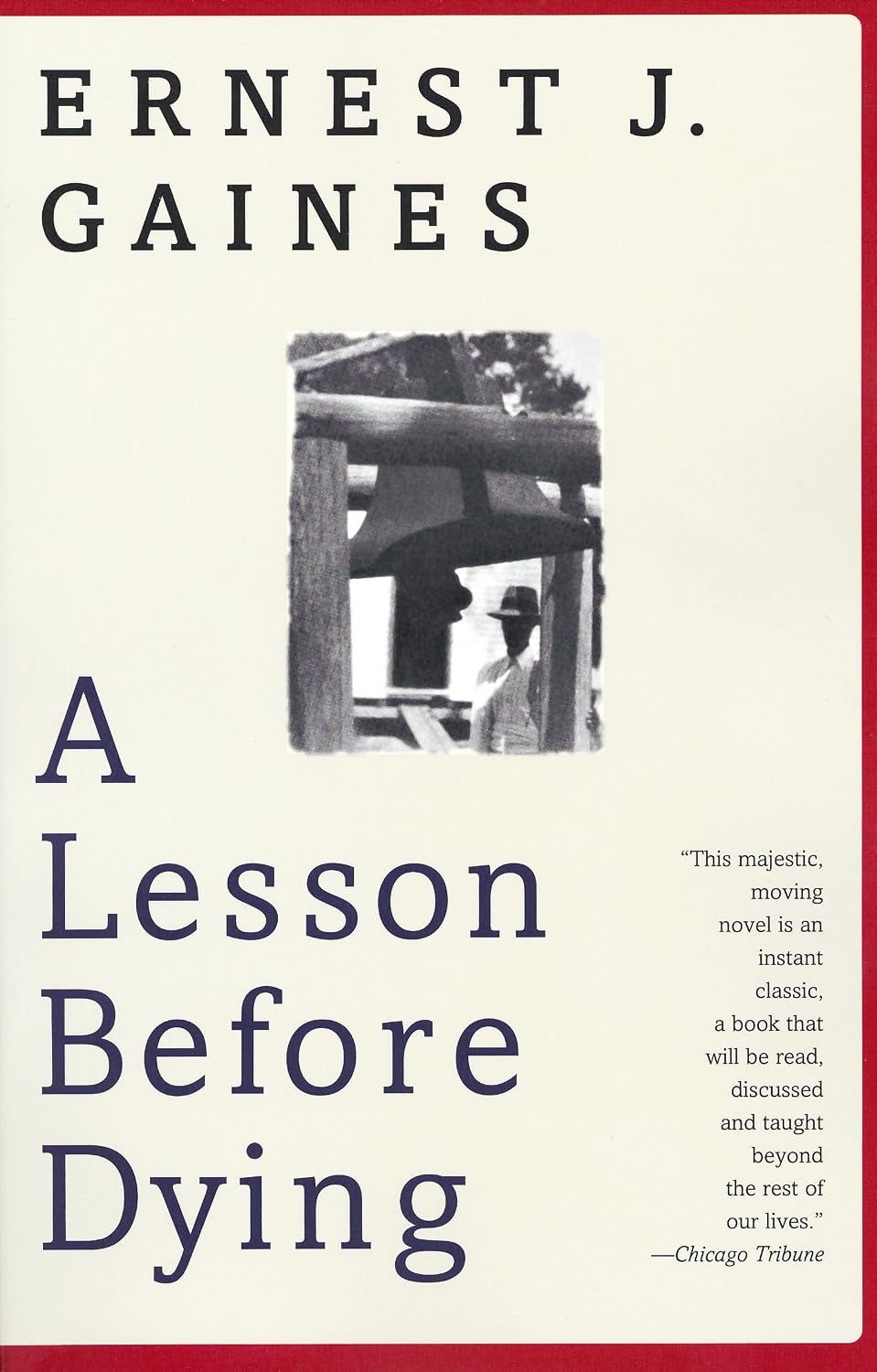
A Lesson Before Dying by Ernest J. Gaines
1940s Louisiana. Schoolteacher Grant Wiggins is asked to visit Jefferson, a young Black man who has been condemned to death for a crime he did not commit. The sentence has already been handed down. But the racist legal system around him has also tried to rob him of something more intimate than freedom: his sense of himself as fully human.
Grant does not arrive as a savior. He is frustrated, ambivalent and burdened by his own disappointments. Yet the jailhouse visits slowly become an act of mutual reckoning. In A Lesson Before Dying, redemption does not mean escape from death. It means meeting death with dignity, and allowing that dignity to change the people left behind.

Allegory by Jack Martin Haley
Fred was once known as Sarge: a Korean War veteran, a respected Gwich’in fish wheel master and the proud descendant of Shahnyaatii, the legendary Christian Grandpa. By the time Allegory begins, younger men mock him, alcohol has taken its toll, and illness has made his body unreliable. The name he carries still matters to him, but the village no longer sees the man he used to be.
Then cancer makes the clock impossible to ignore. Fred turns back to the Yukon River and to the old fish wheel that once fed his people through the winter. With help from Jere, a young man preparing for the ministry, he begins repairing wood, wire and weathered baskets — but that is only part of the work. What Fred is really trying to rebuild is his place in the story of his people. His final gift is practical, spiritual and stubbornly physical: food for the village, honor for his ancestors and a name restored by hand.
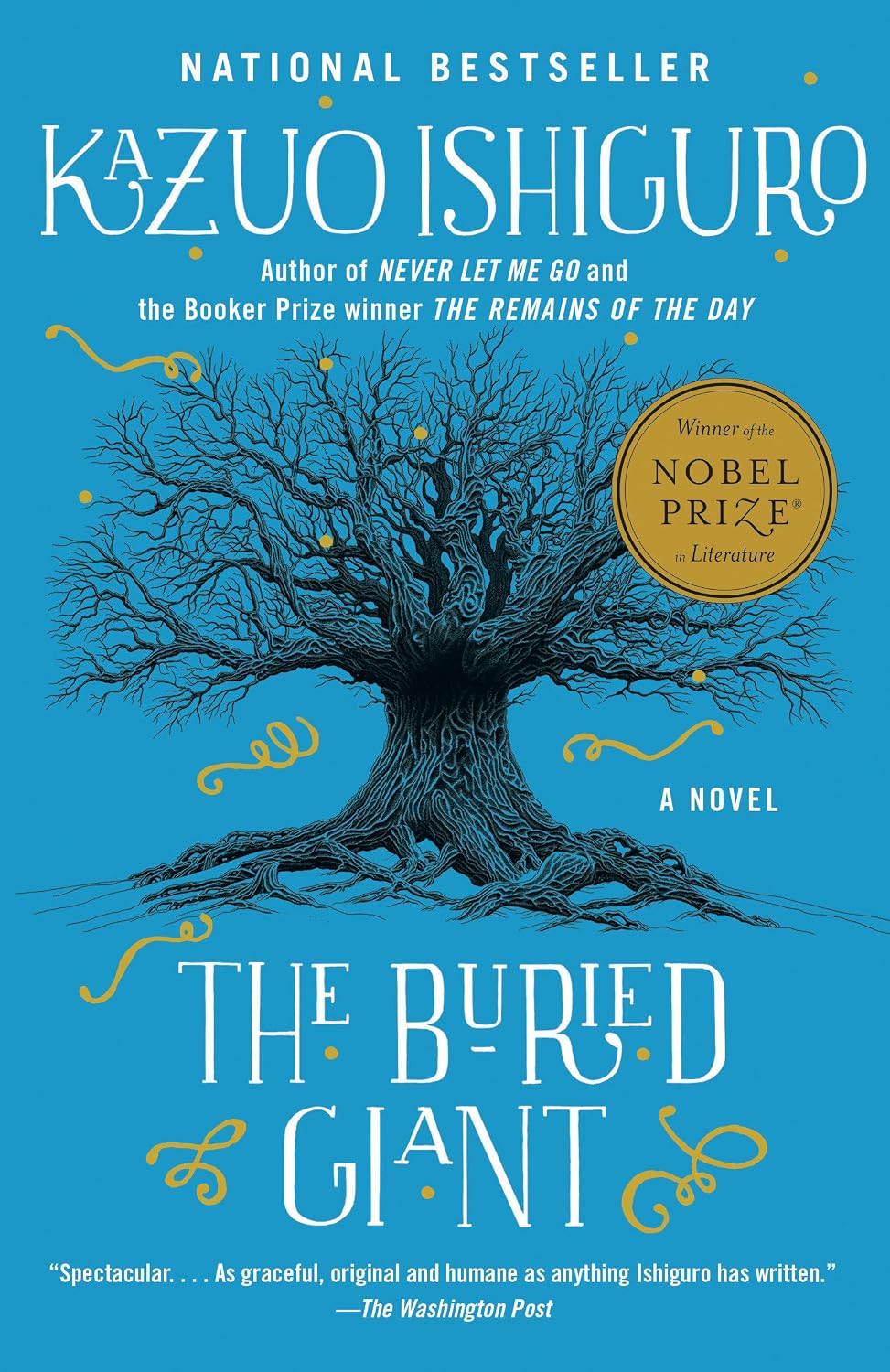
The Buried Giant by Kazuo Ishiguro
Axl and Beatrice know they have a son. They are less sure where he is, why they have not seen him or what has happened to the memories that should connect them. In the post-Arthurian Britain of The Buried Giant, a strange mist has settled over the land, blurring not only personal history but the violence and betrayals of entire peoples.
Their journey begins as a search for family, but the road keeps leading toward harder questions. What if forgetfulness has been protecting them? What if love, marriage and peace have all depended on leaving certain truths buried? Kazuo Ishiguro turns the idea of redemption inside out. Here, the final act may not be forgiveness or repair, but the courage to ask whether peace built on forgetting can ever hold.

The Book of Ebenezer Le Page by G.B. Edwards
Ebenezer Le Page is stubborn, opinionated, deeply attached to the island of Guernsey and not always generous toward the people who have shared his long life. Near the end, he begins writing it all down: the quarrels, romances, losses, gossip, betrayals, friendships and wartime shocks that shaped him and the home he refuses to leave.
G.B. Edwards’ The Book of Ebenezer Le Page is less a polished confession than a voice let loose at last. Ebenezer’s redemption comes through witness. He cannot relive his choices or soften every hard edge of his nature. But by telling the truth as he understands it, he preserves a world that might otherwise vanish — and leaves behind something fuller, and possibly more valuable, than apology.
Read the original article here