

Close Menu
Chicago News Journal
    Facebook X (Twitter) Instagram
    • Contact us
    • About us
    • Amazon Disclaimer
    • DMCA / Copyrights Disclaimer
    • Privacy Policy
    • Terms and Conditions
    Facebook X (Twitter) Instagram YouTube TikTok
    Chicago News JournalChicago News Journal
    • Home
    • US News
    • Politics
    • Business
    • Science
    • Technology
    • LifeStyle
    • Music
    • Television
    • Film
    • Books
    • Contact
      • About us
      • Amazon Disclaimer
      • DMCA / Copyrights Disclaimer
      • Privacy Policy
      • Terms and Conditions
    Chicago News Journal
    Home»Science

    U.S. nuclear command satellites need hardening against attacks, report warns

    By July 16, 2024 Science
    Facebook Twitter Pinterest LinkedIn Tumblr Email Reddit Telegram
    U.S. nuclear command satellites need hardening against attacks, report warns

    WASHINGTON — The United States should harden its low Earth orbit satellites that support nuclear command and control against radiation effects from potential high-altitude nuclear detonations, according to a new report from a prominent think tank.

    The Atlantic Council’s Scowcroft Center for Strategy and Security released a study July 15 titled “Modernizing Space-Based Nuclear Command, Control, and Communications” that recommends steps to protect space-based elements of the U.S. nuclear command, control and communications (NC3) system. The report comes amid growing concerns about Russia’s development of space-based nuclear weapons and the vulnerability of critical military satellites.

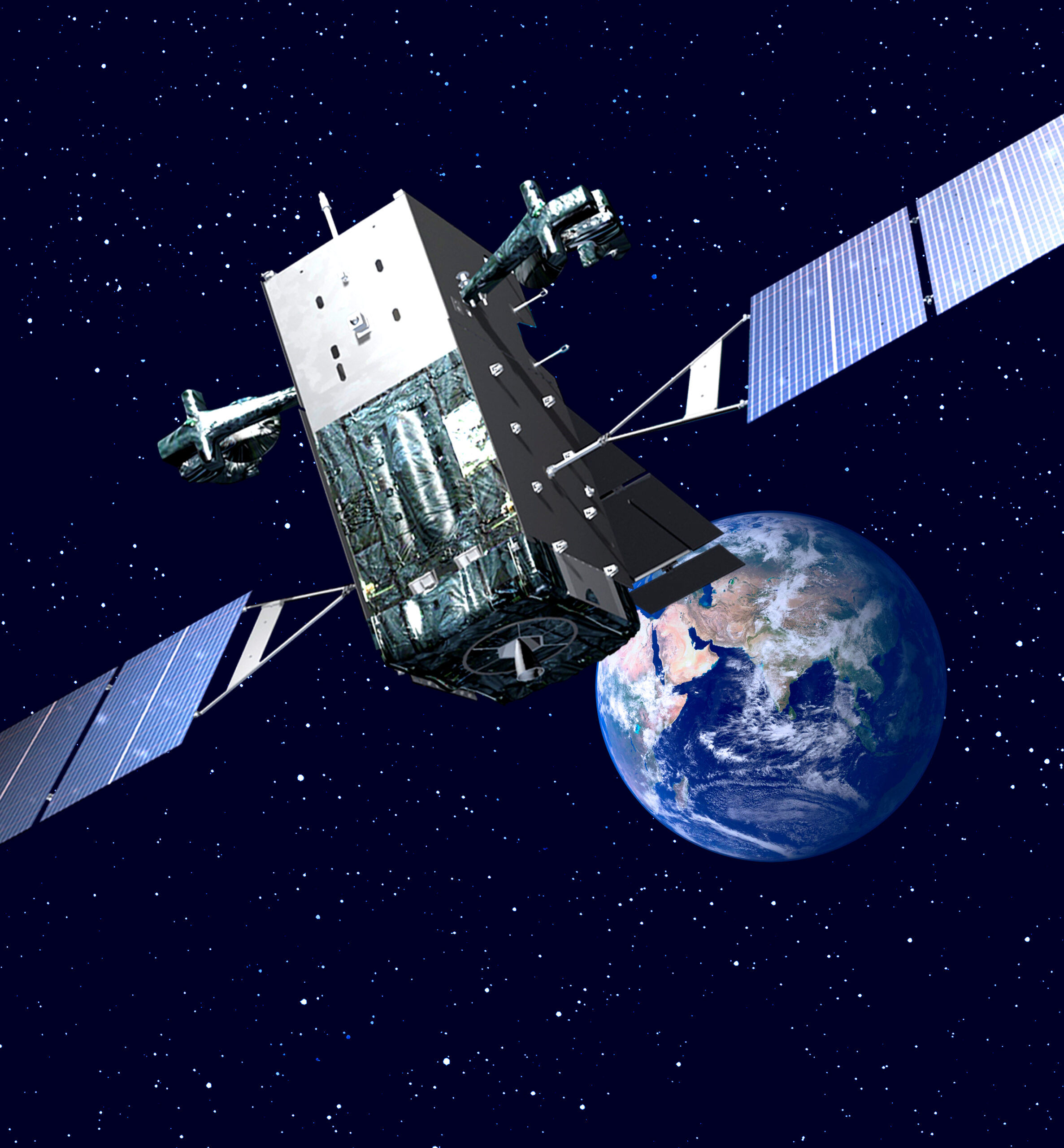
    NC3 comprises the sensors, communications networks, and command centers that allow the President to direct nuclear forces. Its space segment includes satellites for missile warning, secure communications, and nuclear detonation detection.

    “In a most disturbing scenario, the efficacy of commercial LEO satellites in supporting Ukraine could lead the Russians (or the Chinese in a Taiwan invasion, for instance) to assess that the greatest military effectiveness from the limited use of nuclear weapons would be to detonate just one in LEO,” the report stated.

    A high-altitude nuclear blast could create widespread electromagnetic pulse effects and inject high-energy particles into Earth’s radiation belts, potentially crippling unprotected satellites, the authors warned. Low Earth orbit satellites between 160-2,000 km altitude are especially at risk due to their proximity.

    “A high-altitude nuclear detonation would raise the peak radiation flux in parts of the Van Allen radiation belts by three to four orders of magnitude, cause the failure in weeks to months of most if not all LEO satellites not specifically hardened against this threat,” according to the report.

    U.S. modernizing nuclear command technology

    The U.S. is currently modernizing its aging NC3 infrastructure as part of a broader nuclear forces upgrade. Key space assets include the Space-Based Infrared System for missile warning and the Advanced Extremely High Frequency satellites for assured communications.

    However, a planned shift to smaller, distributed satellite constellations in low Earth orbit creates new vulnerabilities that must be addressed, the report said. The Space Force’s Space Development Agency is deploying hundreds of satellites for missile tracking and other military purposes.

    “The ability of space-based NC3 systems to ensure ‘nuclear surety’ — the absolute reliability and security of nuclear operations — is being challenged,” the Atlantic Council report stated. “This is because these systems may become vulnerable to attack or interference from advanced counterspace weapons.”

    The authors recommend accelerating deployment of radiation-hardened satellites and other protective measures for next-generation NC3 systems.

    The report highlights how the emergence of multiple nuclear peers has complicated the strategic landscape. It argues that China’s nuclear buildup and views on strategic stability, coupled with the possibility of limited nuclear use, are raising questions about the adequacy of existing and planned NC3 capabilities.

    On the technical front, the development of sophisticated anti-satellite weapons by Russia and China poses a direct threat to U.S. space-based NC3 assets, the study found. The transition from analog to digital systems also introduces new cyber vulnerabilities that must be addressed.

    As the Pentagon shifts to more distributed satellite architectures, the report warns that nuclear surety requirements may get overlooked amid competing priorities. It calls for ensuring these critical capabilities remain a top focus in future space systems planning.

    Related

    Read the original article here

    Share. Facebook Twitter Pinterest LinkedIn Tumblr Email Reddit Telegram

    You might also be interested in...

    ZWO Seestar S30 Plus review

    November 10, 2026

    'The first species we might be able to communicate with, interact with vocally, might be a bird': An animal researcher explains how she decoded birdsong

    November 10, 2026

    Highly active Russian volcano plays peek-a-boo with an astronaut

    November 10, 2026

    Iran war helps fuel global drop in fossil fuel emissions — but theres a catch

    November 10, 2026

    Nazca infant had rare, fatal birth defect that left her with one central eye 1,600 years ago

    November 9, 2026

    Did human sacrifice help lower violence? New research in Peru leaves intriguing question

    November 9, 2026
    Popular Posts

    Interview with Aletheia von Gottlieb, Author of Love Off the Ice (Sweet Snowfall Kisses Book 1) – NewInBooks

    What Were Wearing: Friendsgiving

    In historic move, House Democrats nominate Hakeem Jeffries for speaker of the House

    Book Riots Deals of the Day for November 18, 2026

    Voyager 1 at one light-day: Historian revisits Golden Record's forgotten details

    DWTS Fans Discover Sneaky Loophole To Rig Votes For Favorite

    Categories
    • Books (2,456)
    • Business (3,449)
    • Events (34)
    • Film (1,062)
    • LifeStyle (2,922)
    • Music (2,796)
    • Politics (2,355)
    • Science (1,951)
    • Technology (1,817)
    • Television (3,628)
    • US News (3,293)
    Archives
    Useful Links
    • Contact us
    • About us
    • Amazon Disclaimer
    • DMCA / Copyrights Disclaimer
    • Privacy Policy
    • Terms and Conditions
    Popular Posts
    • Blue Origin resumes crewed New Shepard suborbital flightsBlue Origin resumes crewed New Shepard suborbital flights
    • International tourists to U.S. fall, but Americans keep going abroadInternational tourists to U.S. fall, but Americans keep going abroad
    • Lenovo Sets Gaming Handheld Event for CES, Hints at SteamOS-Based Lenovo Legion Go SLenovo Sets Gaming Handheld Event for CES, Hints at SteamOS-Based Lenovo Legion Go S
    • Hezbollah leader Hassan Nasrallah killed in strike, Israeli army saysHezbollah leader Hassan Nasrallah killed in strike, Israeli army says
    • Interview with G.M. DiDesidero, Author of UndrownedInterview with G.M. DiDesidero, Author of Undrowned
    Archives
    Categories
    • Books
    • Business
    • Events
    • Film
    • LifeStyle
    • Music
    • Politics
    • Science
    • Technology
    • Television
    • US News
    Facebook X (Twitter) Instagram YouTube TikTok
    © 2026 Chicago News Journal. All rights reserved. All articles, images, product names, logos, and brands are property of their respective owners. All company, product and service names used in this website are for identification purposes only. Use of these names, logos, and brands does not imply endorsement unless specified. By using this site, you agree to the Terms of Use and Privacy Policy.

    Type above and press Enter to search. Press Esc to cancel.